1. Home
  2. »
  3. Attic Insulation Installation

Attic Insulation Installation in Dallas, TX

Book Attic Insulation Installation In Dallas with Expert Home Remodelers for cleaner attics, better comfort, and lower energy bills with a fast estimate today

Table of Contents
Attic Insulation Installation In Dallas by Expert Home Remodelers
Book Attic Insulation Installation In Dallas with Expert Home Remodelers for cleaner attics, better comfort, and lower energy bills with a fast estimate today

Attic Insulation Installation

Attic insulation installation adds the right insulation depth and air sealing so your home stays more comfortable year round. Expert Home Remodelers handles Attic Insulation Installation in Dallas with a clear plan, clean work habits, and careful detail around vents, lights, and access points. For Attic Insulation Installation in Dallas, we focus on comfort, cleaner attic spaces, and steadier energy use.

Why attic insulation improves comfort

Attic Insulation Installation improves comfort by slowing heat flow through your ceiling. Insulation works like a thermal blanket for your home. In Dallas, TX, the attic can get brutally hot in summer, and that heat pushes into living spaces. Good insulation reduces that heat transfer and helps your HVAC system cycle more evenly.

Most homes feel the difference in the rooms that usually run hottest or coldest. You may also notice fewer temperature swings between morning and afternoon. Does one bedroom always feel like its own weather zone? Attic insulation often plays a big role.

Insulation and air leaks

Insulation alone is not magic, though. If air leaks are left open, outside air still sneaks in and conditioned air still escapes. That is why our approach looks at both insulation and common air leak points.

Expert Home Remodelers Logo Black

Need Help? Call Expert Home Remodelers near you

Why many homes need attic insulation work

Many homes need attic insulation work because the existing material is thin, uneven, or damaged. A lot of attics have insulation that has settled over time. Some areas get compressed from foot traffic or storage. Other spots were never filled well, especially near the eaves and around attic openings.

Older insulation can also be dirty from dust and attic airflow. In some cases, it may be disturbed by pests or moisture. If insulation is wet or matted, it stops working the way it should.

You do not need to guess. We can check depth, coverage, and condition and talk through what makes sense for your home and your goals as part of home remodeling planning.

Signs you may need attic insulation installation

You may need this service if your home shows clear comfort or energy warning signs. You do not have to wait for a major issue to act. Many insulation problems show up as everyday annoyances that slowly get worse.

Common signs include

  • Rooms that are hot upstairs in summer and chilly in winter
  • HVAC that runs often and struggles to hold a steady temperature
  • A ceiling that feels warm to the touch on hot days
  • Drafts that seem to come from nowhere
  • Dusty indoor air that returns quickly after cleaning
  • Higher than expected utility bills compared to similar homes

Another clue is the attic hatch or pull down stairs. If that access point is uninsulated or poorly sealed, it becomes a big leak. That leak can make the hallway below it feel uncomfortable. If you are also planning a broader home renovation, it is a good time to address the attic access as well.

Dallas heat and North Texas attic performance

Dallas heat makes attic performance matter more than many homeowners expect. North Texas summers are long, and attic temperatures can spike fast. That heat load does not just stay in the attic. It radiates down through the ceiling and warms ductwork too.

If your ducts run through the attic, the attic environment affects the air you are paying to cool. Better insulation helps reduce the attic temperature impact on your living space. It also helps keep cooled air cooler on its path to each room. When comfort issues show up across the house, a Whole Home Remodel plan often includes fixing the attic first.

Storm season matters too. Wind driven rain and humidity can find weak points at roof penetrations and vents. Insulation planning should keep airflow paths correct while still blocking unwanted heat and air movement. If you are dealing with storm related issues, Storm Damage Restoration may be part of the conversation.

Common causes of poor attic insulation

The most common causes of poor attic insulation are gaps, settling, and blocked ventilation paths. Insulation can be missing for simple reasons. A past repair may have moved it and not put it back. A remodel may have opened cavities and left them underfilled. Sometimes insulation was installed before modern expectations for coverage.

Here are issues we often find

  • Low insulation depth across large areas
  • Bare spots near soffits or around plumbing stacks
  • Gaps around recessed lights, chases, and wiring
  • Settled insulation that leaves the top of ceiling joists exposed
  • Insulation pushed into soffit vents, limiting airflow
  • An attic hatch that leaks air and heat

Fixing these problems usually involves more than add some insulation. Coverage and airflow both matter. Your attic needs to breathe the right way while still resisting heat transfer. If the root cause ties back to roofing conditions, we may suggest coordinating with Roofing Contractors.

Our inspection and plan

Our attic insulation visit starts with a practical inspection and a plan you can understand. We begin by looking at access, safety, and attic layout. Then we check existing insulation type, depth, and condition. We also look for air leak points that can sabotage performance.

During the visit, we typically review

  • Attic access and safe walking paths
  • Existing insulation depth and coverage patterns
  • Visible air leaks around penetrations and top plates
  • Ventilation layout at soffits, gable vents, and roof vents
  • Signs of moisture, staining, or pest activity

We will explain what we see in plain language. If something looks unsafe or needs another trade, we will say so. Nobody wants surprises, except maybe at a birthday party. If the attic access area needs improvements as part of a broader update, Complete Home Remodel planning can help sequence the work.

Need Help? Call us for Home Remodeling Services!

Air sealing that supports insulation

Air sealing is often the missing piece that makes insulation work better. Air leaks are small openings that let conditioned air escape and outside air enter. Even small gaps add up across an attic floor. Sealing those spots helps insulation do its job. For background on how insulation reduces heat transfer, see thermal insulation.

Common attic air leak locations include

  • Plumbing vent stacks and drain penetrations
  • Electrical wiring holes
  • Recessed light housings and ceiling fixtures
  • Bathroom fan housings and duct connections
  • Chimney or flue chases, where allowed and safe to seal
  • The attic hatch frame and pull down stairs
Detail work matters

Air sealing is detail work. It takes time and careful material choices to avoid heat risks around fixtures. We keep the approach straightforward and focus on the areas that matter most. If you are also improving indoor comfort through other upgrades, Home Window Replacement can be a good complement.

Installation approach and coverage

We install insulation with even coverage so you do not get hot and cold patches. Insulation performance depends on consistent depth and full coverage. Big pillows in the middle with thin edges do not help much. We aim for uniform coverage across the attic floor while keeping ventilation paths open.

We also protect areas that should not be buried. Some items need clearance, and some need airflow. We treat those spots with care so the attic stays functional and safer to access later.

If your attic has storage needs, we can talk about options so insulation does not get crushed. Crushed insulation loses effectiveness. It is like wearing a winter coat and sitting on it all day. If storage changes are part of a larger space plan, Attic Conversions may also be worth discussing.

Insulation options and what we recommend

Insulation options depend on your attic layout, existing material, and goals. Different homes call for different solutions. We will recommend what fits your situation, not what sounds fancy.

Common insulation approaches include

  • Blown in insulation for broad, even coverage on attic floors
  • Batt insulation in specific areas where it fits correctly
  • Adding insulation over existing material when it is dry and in good condition
  • Targeted repairs to remove or replace damaged sections when needed

We also consider access limitations. Some attics are tight and have low clearance. Others have mechanical equipment or complex framing. The best plan accounts for real world conditions. If you are coordinating multiple upgrades, Home Remodeling planning can help keep the schedule organized.

Blown in insulation in Dallas

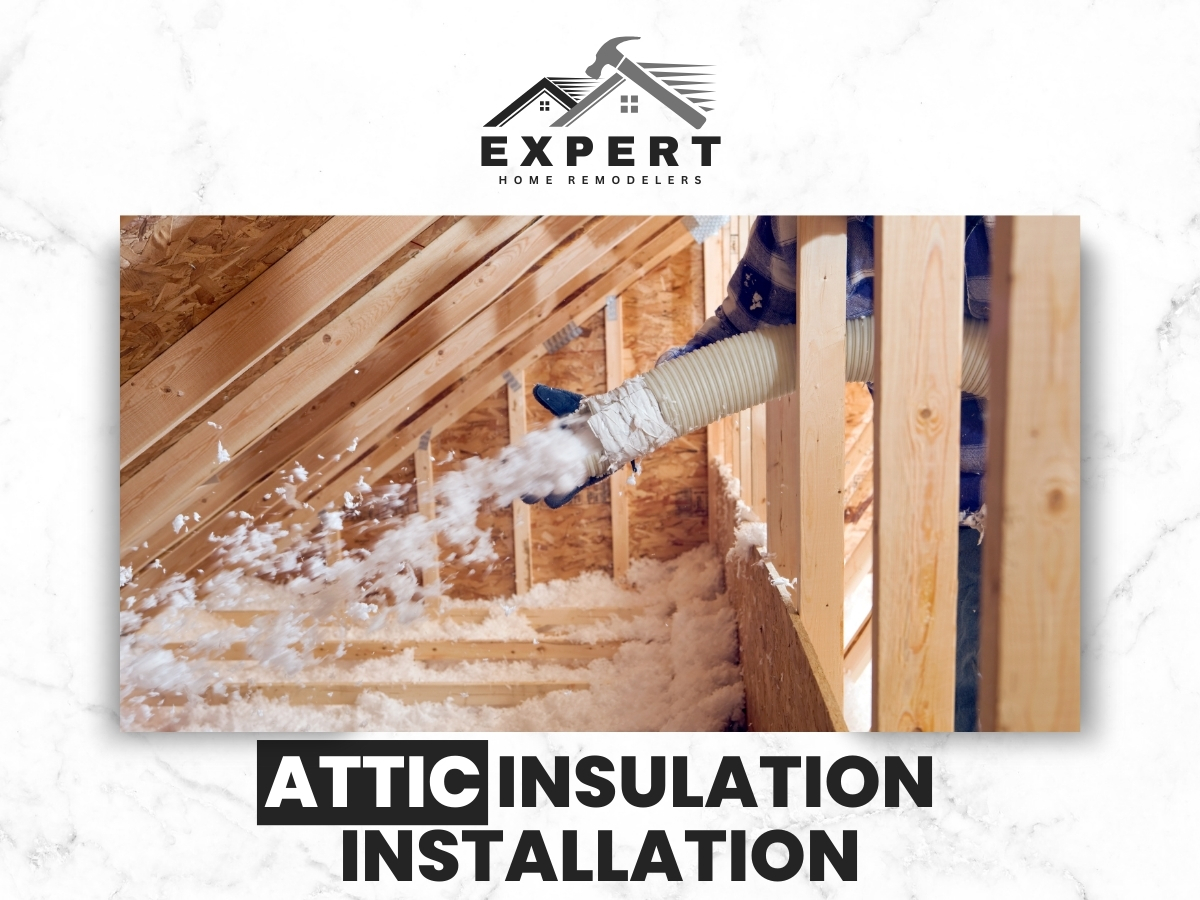
Blown in insulation is a strong fit for many Dallas attics because it fills in gaps well. Blown in insulation can reach areas that are hard to cover with batts. It helps reduce thin spots and can be installed to a consistent depth across the attic floor. It is also useful around obstructions like trusses and wiring.

We take care to keep soffit vents open. That usually involves using vent baffles where needed. Good airflow helps manage attic heat and moisture. If ventilation issues connect to roof conditions, we may recommend reviewing options through Residential Roofing.

Batt insulation fit and corrections

Batt insulation works best when cavities are the right size and the batts are installed correctly. Batts can perform well when they fit snugly without compression or gaps. They are often used in attic kneewalls, bonus room slopes, or localized areas. Poorly installed batts can leave voids and edges that leak heat.

If batts are already in place, we look for misalignment, gaps, and places where the facing is wrong for the application. Then we talk through what corrections will help most. If the work ties into finishing a bonus room, Room Additions can overlap with attic planning.

Ventilation, moisture, and the attic balance

Ventilation and insulation need to work together so the attic does not trap moisture. An attic needs a balance. Too little ventilation can allow heat and moisture to build up. Too much uncontrolled airflow from the house can bring moisture into the attic and cause other issues.

We look for blocked soffits, disconnected ducts, and bathroom fans that dump air into the attic. Those are common problems in many homes. Fixing them helps protect insulation performance and keeps the attic cleaner. If moisture issues trace back to roof leaks, Roof Replacement may be needed before insulation work.

Here is a simple reference that helps homeowners understand what we are watching for

Attic ItemWhat We Look ForWhy It Matters
Soffit ventsNot blocked by insulationKeeps intake airflow moving
Roof or gable ventsClear paths, no obstructionsHelps exhaust hot air
Bath fan ductsProperly routed outReduces moisture buildup
DuctworkConnections intact, insulation in placeLimits energy loss

Timeline and what can affect it

Most attic insulation projects are finished in a day, but access and prep can change timing. Many jobs move quickly once the attic is ready and materials are staged. Larger attics, tight access, or extra air sealing detail work can extend the schedule.

Things that can slow work down include

  • Very low attic clearance or tricky framing
  • Limited access through small hatches
  • Many penetrations that need careful sealing
  • Existing insulation that is damaged or contaminated
  • Stored items that reduce safe working space

We will set expectations early, and we will keep you updated if the plan needs to change. Clear communication keeps the day running smoother for everyone. If the attic issues are part of a bigger improvement plan in Texas, Whole Home Remodel sequencing can reduce rework.

Expert Home Remodelers

Safety in attics

Safety matters in attics because wiring, heat sources, and weak ceilings can cause real problems. Attics are not friendly spaces. They can be hot, dusty, and full of trip hazards. Stepping between joists can lead to ceiling damage. Contact with certain fixtures can create heat risks. For general safety guidance, see OSHA heat exposure guidance.

Homeowners should pause and call a pro if they notice

  1. Exposed wiring, loose junction boxes, or scorched marks
  2. Signs of roof leaks or wet insulation
  3. Strong odors, mold like staining, or heavy pest activity
  4. Bathroom fans venting into the attic
  5. Recessed lights that are not rated for contact with insulation

If you want to take a quick look yourself, do it safely. Use a stable ladder, bring a flashlight, and step only on framing members. If the attic feels like a sauna, it is okay to back out and let us handle it. If your home needs broader risk repairs, Home Renovation planning can help.

How to prepare before we arrive

Preparing your home before we arrive helps the job move faster and keeps things cleaner. A little prep goes a long way. We work neatly, but attics are dusty by nature, and access areas need room.

Here is a helpful checklist

  1. Clear a path to the attic access point
  2. Move fragile items away from the work area below the hatch
  3. Secure pets in a separate room, if needed
  4. Let us know about any past roof leaks or repairs
  5. Point out rooms with comfort issues so we can focus our inspection

If your attic has a lot of stored items, consider relocating them ahead of time. If that is not possible, tell us what must stay so we can plan safe access routes. If access changes relate to a space rework, Attic Conversions may be relevant.

What to expect after installation

After installation, you should watch for steadier temperatures and fewer drafts. Most homeowners notice comfort changes first. Rooms feel more consistent, and HVAC cycles often feel less aggressive. The attic should also look more uniform, with consistent coverage and fewer bare spots.

A few simple after care tips

  • Avoid walking through the attic unless needed
  • Do not store heavy items on top of insulation
  • Keep attic access closed tightly
  • Replace air filters on schedule to help with dust control

If you notice a sudden new draft or an attic access that will not close well, let us know. Small fixes can protect the work you just had done. If you are improving indoor surfaces at the same time, Interior Painting services may fit your schedule.

Common Dallas area attic patterns

Dallas area homes have a few common attic patterns that affect insulation results. Many homes in Dallas and nearby areas have vented attics with soffit intake and roof exhaust. That setup can work very well when insulation stays out of the soffits and air sealing is handled at the attic floor.

We also see

  • Bonus rooms over garages that run hot or cold
  • Attic ductwork that needs careful clearance planning
  • Older homes with uneven framing that creates odd gaps
  • Newer homes with lots of ceiling penetrations for lights and speakers

Have you noticed a warm ceiling line in an upstairs hallway, or a bedroom that never quite matches the thermostat setting? Those are strong clues the attic needs attention. If the problem is part of a wider comfort plan, Complete Home Remodel work can help align improvements.

Why homeowners choose Expert Home Remodelers

Homeowners choose Expert Home Remodelers because we treat your attic like part of your living space. Your attic may be unfinished, but it affects your comfort every day. We take the time to do the unglamorous parts right, like sealing small gaps and keeping airflow paths clear.

What you can expect from our team

  • Straight answers and clear recommendations
  • Respect for your home and your time
  • Care around wiring, fixtures, and ventilation areas
  • Clean work habits at the attic access point
  • A focus on practical comfort improvements, not gimmicks

We are home remodelers, so we are used to working around real lived in spaces. That experience helps during attic projects where access and protection matter. If you are planning future upgrades beyond the attic, Home Remodeling support can help keep everything consistent.

Attic insulation installation in Dallas

Attic Insulation Installation in Dallas starts with a quick conversation about your home and your goals. The best next step is to tell us what you are noticing and what you want to improve. We will help you figure out whether Attic Insulation Installation is the right move, what approach fits your attic, and what preparation will make the project smoother.

For attic insulation work in Dallas County and across TX, call Expert Home Remodelers at (682) 458-3062 or visit Expert Home Remodelers.

Related Services

Ready to plan your attic insulation project in Dallas, Texas? Call (682) 458-3062 and share what you are noticing, then schedule through our Contact Us page.

Frequently Asked Questions (FAQs)

It’s the process of adding or upgrading insulating material in the attic to help reduce heat transfer between your home and the outdoors. Expert Home Remodelers provides attic insulation installation services.
Proper attic insulation can help improve indoor comfort and support more consistent temperatures throughout the home, especially during seasonal changes.
Common signs include uneven room temperatures, drafts, higher-than-expected energy use, or insulation that appears compressed, disturbed, or uneven in coverage.
Common options include fiberglass batts, blown-in insulation, and spray foam. The best fit depends on attic conditions, access, and your home’s needs.
Insulation can be part of a broader approach, but moisture concerns often also involve ventilation and air sealing. A contractor can recommend a general plan based on what’s observed.
In many homes, addressing air leaks can help insulation perform better. Air sealing needs vary by home layout and attic conditions.
Timelines vary based on attic size, accessibility, existing insulation, and the insulation type being installed, but many projects are completed within a short timeframe.
Insulation may help dampen some sound transmission, though results vary depending on insulation type, thickness, and the source of the noise.
It’s typically contained to the attic area, though there may be some noise and limited access needs. Installers generally take steps to protect living spaces during the work.
You may be asked to clear access to the attic entry, secure pets, and remove stored items near work areas. Expert Home Remodelers can share general preparation guidance before the project.
Kitchen Layout Moves That Make Cooking and Cleanup Easier, 9 Smart Changes

Kitchen Layout Moves That Make Cooking and Cleanup Easier, 9 Smart Changes

A good kitchen layout makes cooking feel like a smooth relay race, not a bumper…

The Bathroom Remodel Upgrade Most People Notice First

The Bathroom Remodel Upgrade Most People Notice First

Most people notice the vanity first. It sits right in front of you, holds the…

The Step Most Homeowners Skip Before a Full Home Remodel

The Step Most Homeowners Skip Before a Full Home Remodel

Most full home remodel problems start before the first hammer swing. The step many homeowners…