1. Home
  2. »
  3. Brick Pavers

Brick Pavers in Dallas, TX

Upgrade patios and driveways with Brick Pavers In Dallas installed by Expert Home Remodelers. Quality materials, clean finishes, fast quotes in Dallas

Table of Contents
Brick Pavers In Dallas by Expert Home Remodelers
Upgrade patios and driveways with Brick Pavers In Dallas installed by Expert Home Remodelers. Quality materials, clean finishes, fast quotes in Dallas

Brick Pavers

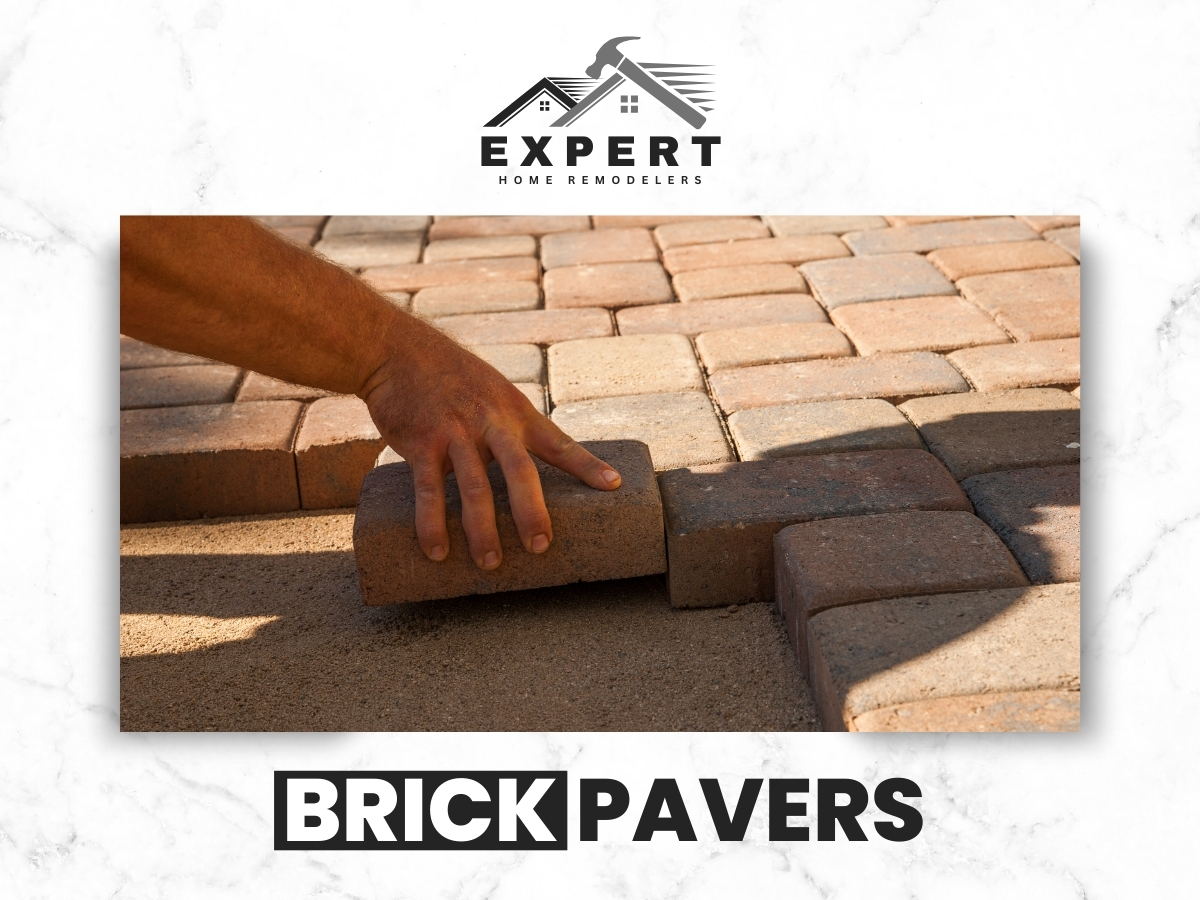
Brick pavers are a strong, good-looking surface for patios, walkways, and driveways, and Expert Home Remodelers handles the planning and install start to finish in Dallas, TX. If you want Brick Pavers in Dallas that drain better, clean up easier, and boost curb appeal, we help you pick the right layout, prep the base, and set clean edges that last.

Why brick pavers are a smart surface in Texas

Brick pavers give you a hard surface that can still flex with the ground. Brick pavers are individual units set over a compacted base with sand in the joints. That setup helps the surface handle small ground movement without turning into a spiderweb of cracks. It also makes repairs simpler since a few pavers can be lifted and reset if something shifts.

Homeowners in TX like pavers for another reason. Concrete can stain and show every hairline crack. A paver surface hides normal wear better, and many brick tones still look good after years of sun, especially when the full outdoor plan is aligned with hardscape remodeling goals.

Expert Home Remodelers Logo Black

Need Help? Call Expert Home Remodelers near you

Where brick pavers work best

Brick Pavers work well for

Do you want a clean, classic look, or something with more contrast and pattern? That choice guides the paver style and the layout.

Signs you may need brick pavers

You may need brick pavers if your current surface is cracked, sloped wrong, or hard to maintain. A paver project often starts because the existing space is frustrating. You might be stepping over broken concrete, tracking mud inside, or watching water run straight toward the foundation. Those are not small annoyances. They affect how you use your home and may point to a bigger home renovation need.

Common signs it is time to rethink the space

  1. Cracked concrete that keeps spreading
  2. Low spots where water sits after rain
  3. Loose stepping stones that wobble
  4. A patio that feels too small or poorly shaped
  5. A walkway that is uneven or unsafe at night
  6. A driveway edge that is crumbling into the yard
  7. Stains that never really come out

If you are already avoiding your patio, it is not doing its job. The goal is a surface you actually want to use, often as part of a backyard makeover.

Drainage and base prep come first

Drainage and base problems are the usual reasons outdoor surfaces fail. Most paver issues are not bad pavers. They come from what is underneath and around them. In Dallas, TX, soil movement and heavy rain events can expose weak prep fast. If the base is thin or poorly compacted, the surface can dip and spread, and sometimes the fix includes French drain installation.

Common causes we plan for

  • Clay soil that expands and shrinks across seasons
  • Downspouts dumping water near the slab or walkway
  • Poor grading that sends runoff toward the home
  • Tree roots lifting edges over time
  • Thin base material or uneven compaction
  • Missing edge restraint that lets pavers creep outward

A good paver install is more like building a road than laying tile. The prep takes time, but it is where the results come from and it supports the goals of home remodeling outdoors.

Our on site visit and planning

Our on-site visit focuses on measurements, drainage, and how you use the space. We start by looking at the area and asking a few direct questions. Where do you enter the yard most? Do you grill often? Does water pool near the back door? These details shape the layout and the slope, especially when the project ties into backyard design.

During the visit, we typically
  1. Measure the footprint and note elevations
  2. Check where water flows now and where it should go
  3. Look for settling, root pressure, and soil soft spots
  4. Discuss paver style, color range, and border options
  5. Review access points for material delivery and debris removal
  6. Confirm how the new surface ties into existing concrete or fencing

You will also get practical input on what to change and what to leave alone. Sometimes the best upgrade is not bigger. It is smarter placement, similar to what we do on a whole home remodel where layout choices matter.

Brick paver installation process

We install brick pavers with careful excavation, compaction, and clean edges. A paver surface is only as stable as its base and restraints. We focus on depth, compaction, and slope so the finished project feels solid underfoot. We also pay attention to the little lines people notice first, like straight borders and consistent joints, the same way finish details matter in a complete home remodel.

Need Help? Call us for Home Remodeling Services!

Our install process usually follows these steps

  1. Layout and marking We confirm the shape, borders, and any curves.
  2. Excavation We remove the existing material and dig to the right depth.
  3. Base build We add crushed base material in lifts and compact it evenly.
  4. Grading for drainage We set the slope so water moves away from structures.
  5. Edge restraint We secure the perimeter to help prevent spread and shifting.
  6. Bedding sand We screed a smooth layer for consistent paver height.
  7. Paver placement We set the pattern, align joints, and keep lines true.
  8. Cutting and fit We cut edges cleanly around curves, posts, and steps.
  9. Joint sand and compaction We sweep sand into joints and compact again.
  10. Final cleanup We remove debris and review the surface with you.
Both the base and the corners lining up matter

Yes, we care about the base. Also yes, we care about the corners lining up. Both matter, especially when your pavers connect to concrete slabs or existing flatwork.

Base depth and slope are set for the site

A stable base depth and slope are set for the site, not guessed. We look at how the area will be used, then prep the base to match. A patio has different needs than a driveway. Soil conditions also matter. If you have ever seen pavers that look like ocean waves, that usually traces back to base prep, and sometimes the surrounding surfaces need concrete patio installation planning too.

We also plan a slope that makes sense for your yard. You want water moving away from the home, but you also want the surface to feel natural when you walk on it.

Edges and transitions

Edges and transitions are handled so the project looks finished, not stuck on. The border is where many projects look sloppy. We use edge restraint and clean cuts so the perimeter holds its shape. Where pavers meet a driveway, sidewalk, or porch, we plan the transition so it does not create a trip point and pairs well with nearby patio pavers work.

If you are adding steps, a landing, or a small retaining edge, we can design that so it feels like part of the same space, including options from retaining wall construction when it fits.

Brick paver patterns and layout options

You can choose from several brick paver patterns based on style and traffic. Pattern choice is not only about looks. It also affects how the surface handles turning tires, foot traffic, and long straight lines. We help you select a layout that fits your space and the way you live, and we can coordinate it with outdoor tile installation when a project uses more than one surface.

Popular pattern options include

  • Running bond for a clean, classic look
  • Herringbone for driveways and high-traffic areas
  • Basket weave for a more traditional feel
  • Borders with contrasting color for definition
  • Curved layouts for gardens and side yards

Quick comparison

Pattern Best for Visual feel Notes
Running bond Patios, walkways Simple and clean Works great with borders
Herringbone Driveways, heavy use Bold and structured Handles turning forces well
Basket weave Courtyards, paths Traditional Great for smaller areas

If you are not sure, we can show you what each pattern looks like at your home. Seeing the space often makes the decision easier, especially alongside a broader home remodeling plan.

Common brick paver projects in Dallas

Brick pavers can be used for patios, walkways, driveways, and outdoor living areas. We handle paver projects that improve function first, then looks. A patio should have enough room for chairs and foot traffic. A walkway should guide guests without cutting through the grass. A driveway should feel solid and drain properly, often coordinating with front yard landscaping.

Common projects we build in Dallas

  1. Backyard patios Seating areas, dining zones, and grill pads connected to backyard remodel goals.
  2. Front walkways Straight or curved paths to the entry, with clean borders that fit front yard landscaping plans.
  3. Driveways and extensions For extra parking or better turning space, often alongside concrete driveway installers decisions.
  4. Side-yard paths Practical access without turning the side yard into a mud lane, sometimes paired with rock landscaping.
  5. Outdoor gathering areas Fire pit pads, pergola bases, and courtyard layouts that can support pergola installation.

Thinking about adding lighting, a pergola, or a small seating wall later? Tell us early so the layout supports it.

Expert Home Remodelers

Timeline and what can affect it

Project timelines depend on size, access, weather, and what we find under the old surface. Most paver installs have a few predictable phases: removal, base work, setting pavers, then joint sand and cleanup. The base work often takes longer than people expect. That is normal, and it is also where quality lives, much like prep work on exterior painting services.

Things that can slow a project down

  • Tight access from gates or narrow side yards
  • Large roots or unexpected buried debris
  • Rain that interrupts base compaction
  • Extra cuts for curves, steps, or multiple elevation changes
  • Drainage corrections that require more grading, sometimes alongside French drain installation

We set clear expectations before work begins. If something changes after excavation, we talk it through right away.

Safety and jobsite notes

Safety matters because uneven ground and heavy materials can cause real injuries. Paver work involves lifting, cutting, and compacting materials. It also involves open excavations that can be a trip hazard. If you are doing other projects at the same time, jobsite coordination is important, including coordination with home building or additions.

A few safety notes for homeowners
  1. Keep kids and pets away from the work zone.
  2. Avoid walking on the bedding sand before pavers are set.
  3. Do not drive on a new paver area until we confirm it is ready.
  4. Watch for temporary cords, hoses, and stacked materials.
  5. If you see sudden sinkholes or washouts near the area, stop using it and call.

Trying to help by moving stacked pavers can turn into a back injury fast. Your future self will not find that funny. We will handle the heavy lifting.

How to prep your home and yard

You can prep your home and yard to help the install go faster and cleaner. A little prep makes the day smoother for everyone. It also protects your landscaping and makes access easier for materials, which fits well with a planned backyard makeover.

Before we arrive, it helps to

  1. Move vehicles away from the work area and driveway access route.
  2. Clear patio furniture, planters, grills, and décor.
  3. Mark sprinkler heads and low-voltage wiring if you know where they run.
  4. Secure pets and plan for a quiet indoor space during loud work.
  5. Unlock gates and remove items leaning against fences.
  6. Discuss any neighbor access needs if your property line is tight.

Not sure where irrigation lines are? Tell us what you know. We can plan careful digging zones and coordinate with landscape design needs.

Care and maintenance after installation

After installation, simple care keeps brick pavers looking clean and staying tight. Pavers are easy to live with, but they still need basic care. Most upkeep is about keeping joints filled and staying on top of weeds before they get comfortable, similar to upkeep around artificial turf installation edges.

Good habits after install

  1. Sweep regularly to keep grit from building up in joints.
  2. Rinse off spills sooner, especially grease near grills.
  3. Watch for joint sand loss after heavy rain and refill if needed.
  4. Pull small weeds early instead of letting them root deep.
  5. Use a plastic shovel for snow or debris if you ever need one.

If you notice a small area starting to dip, address it early. Small corrections are usually simpler than waiting until it becomes a puddle zone, and sometimes a nearby concrete slab tie in needs review too.

Drainage checks after storms

After a hard Dallas rain, take a quick walk. Do you see water sitting in a low spot? Does runoff hit the edge and cut into the lawn? Those are clues we can use to fine-tune drainage and, when needed, recommend French drain installation.

Also check downspouts. If a downspout is blasting water onto the pavers, that can wash out joint sand over time. A small adjustment in where water exits can protect the surface.

Dallas Texas conditions and what we plan for

Dallas, TX conditions call for smart grading and solid base prep. North Texas weather swings can be tough on outdoor surfaces. Hot summers bake the ground, and sudden storms test drainage. Clay soil movement is also common, which is why compaction and edge restraint matter so much, especially on larger patio pavers layouts.

Local situations we often see

  • Back patios that slope toward the house because the yard settled
  • Side yards that stay muddy because they get little sun
  • Driveway edges that crumble where water runs off the roofline
  • Tree roots near older neighborhoods pushing up walkways
  • New landscaping that changed drainage patterns around the home, often after landscape design updates

If you live near areas with heavy shade, you may also deal with algae or mildew on hard surfaces. A paver layout with better drainage and airflow can help reduce that slick feeling.

Why homeowners choose Expert Home Remodelers

Homeowners choose Expert Home Remodelers because we focus on practical results and clean finishes. You want pavers that feel solid, drain correctly, and look sharp from the street and from your back door. That takes planning, clear communication, and careful work on the parts most people never see, similar to the standards we bring to home remodeling.

What you can expect from our team

  • Straight answers about layout, slope, and material choices
  • A clear plan for demolition, disposal, and site protection
  • Attention to borders, cuts, and transitions
  • Respect for your property and your schedule
  • A final walkthrough so you know what to watch for

If you are comparing options, ask yourself this. Did the contractor talk about the base and drainage, or only show paver photos? The ground does not care about photos.

Next steps for brick pavers in Dallas

Ready for a better patio, walkway, or driveway surface in Dallas, Texas? If you want Brick Pavers in Dallas that look clean and feel stable underfoot, Expert Home Remodelers is ready to help you plan and build the right surface for your home.

Related Services

Call (682) 458-3062 to talk through your project and next steps. For scheduling, use our Contact Us page. If you already have a rough sketch, even better.

Frequently Asked Questions (FAQs)

Brick pavers are often used for patios, walkways, driveways, pool decks, and garden paths because they create a durable, modular surface.
Brick pavers are installed as individual units, which can make spot repairs and design changes more manageable, while concrete is typically a single slab with different maintenance considerations.
Maintenance is generally straightforward and may include occasional sweeping, rinsing, and addressing weeds or joint sand as needed over time.
When properly designed and installed for the intended use, brick pavers are commonly used for both pedestrian areas and driveways.
Longevity depends on factors like base preparation, drainage, installation quality, and ongoing upkeep, along with local weather conditions.
Slip resistance varies by paver type, texture, and site conditions; choosing the right surface and maintaining it can help improve traction.
Proper jointing materials, good edge restraints, and routine maintenance help reduce weed growth, though occasional touch-ups may still be needed.
In some situations they can, but it depends on the condition, slope, and stability of the existing surface and whether proper drainage can be maintained.
Brick pavers come in various colors, shapes, and patterns, allowing for different looks ranging from traditional to modern depending on the layout and border choices.
Expert Home Remodelers provides brick paver services and can help with planning and installation based on your space and intended use.
Kitchen Layout Moves That Make Cooking and Cleanup Easier, 9 Smart Changes

Kitchen Layout Moves That Make Cooking and Cleanup Easier, 9 Smart Changes

A good kitchen layout makes cooking feel like a smooth relay race, not a bumper…

The Bathroom Remodel Upgrade Most People Notice First

The Bathroom Remodel Upgrade Most People Notice First

Most people notice the vanity first. It sits right in front of you, holds the…

The Step Most Homeowners Skip Before a Full Home Remodel

The Step Most Homeowners Skip Before a Full Home Remodel

Most full home remodel problems start before the first hammer swing. The step many homeowners…