1. Home
  2. »
  3. French drain installation

French drain installation in Dallas, TX

Get French drain installation In Dallas from Expert Home Remodelers. Stop standing water, protect your foundation, and get a clear quote fast. Call today

Table of Contents
French drain installation In Dallas by Expert Home Remodelers
Get French drain installation In Dallas from Expert Home Remodelers. Stop standing water, protect your foundation, and get a clear quote fast. Call today

French drain installation

French drain installation in Dallas moves groundwater away from your home so it stops pooling near the slab, crawl space, or landscaping. Expert Home Remodelers plans the trench, pipe, gravel, and outlets to match your yard and soil. We focus on steady drainage, clean finish work, and clear communication from start to final walkthrough.

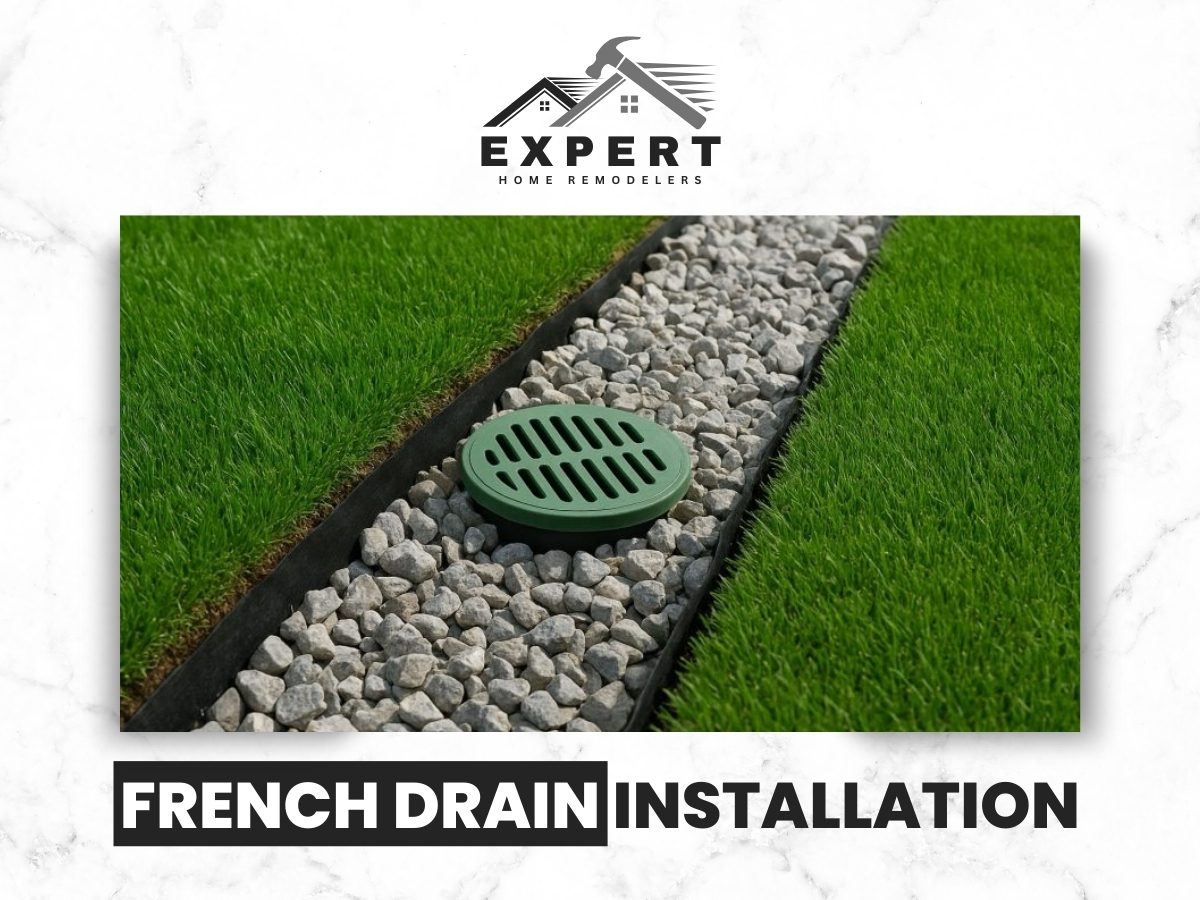
French drain installation stops standing water by giving it a controlled path away from your home. A French drain is a gravel filled trench with a perforated pipe that collects groundwater and carries it to a safe discharge point. Done right, it reduces soggy lawns, protects foundation edges, and helps keep landscaping from turning into a muddy mess.

Who we help in Dallas TX

Expert Home Remodelers installs French drains for Dallas, TX homeowners who are tired of recurring yard water issues.

Common problems we hear about

  • Water sitting against the house after storms
  • Mushy grass that never dries out
  • Soil erosion near walkways, patios, or fences
  • Water getting into garages, low spots, or flower beds

Do you see puddles that show up in the same spot every time it rains. Does the ground feel soft near the foundation even days later. Those are common clues that groundwater needs a better route and may point to property updates that work better when drainage is handled first.

Expert Home Remodelers Logo Black

Need Help? Call Expert Home Remodelers near you

Signs you may need a French drain

You may need a French drain if water keeps returning to the same low areas. Recurring water problems almost never fix themselves. Many yards can shed water during light rain, then fail during heavy downpours. North Texas storms love to test every weak spot and can also affect nearby exterior surfaces tied to hardscape remodeling.

Watch for these signs around your home

  1. Water pooling along the foundation line after rain
  2. Soil pulling away from the slab edge or settling near corners
  3. Wet spots near downspouts that spread outward
  4. Mildew smell in a crawl space or dampness in a low wall area
  5. Mulch washing out of beds or rock getting displaced
  6. Algae on concrete where water lingers on driveways or sidewalks

If you are constantly moving water with a squeegee or adding more mulch to cover muddy ruts, a drain system may be the more lasting fix and can protect adjacent areas like a concrete patio installation or patio pavers.

Common causes of drainage trouble in Dallas Texas

Yard slope, clay soil, and runoff are common causes of drainage trouble in Dallas, Texas. Water follows gravity, but it also follows the path of least resistance. In many Dallas area neighborhoods, the ground is a mix of clay and compacted fill. That slows absorption and pushes water sideways, especially around exterior features tied to landscape design.

Common causes we see

  • Negative grading where the soil slopes toward the home
  • Tight clay soil that holds water near the surface
  • Downspouts dumping too close to the foundation
  • Blocked swales from landscaping changes or fence lines
  • Neighbor runoff that crosses property lines into your low spots
  • Hard surfaces like patios or walkways that direct water into beds

A French drain is not a magic trick. It still needs a clear plan for where the water will go. The goal is simple. Intercept groundwater and move it to a safe outlet without creating a new problem, especially near projects like brick pavers and concrete driveway installers.

Our site visit and planning process

Our site visit focuses on water behavior not guesses

We start by looking at how water moves across your property and where it has been getting stuck. Then we map out a route that fits your yard, existing landscaping, and access points. If your drainage ties into broader exterior improvements, we can also coordinate with backyard remodel planning.

During a typical visit we

  1. Walk the problem areas and look for staining, erosion, and low spots
  2. Check slope near the foundation and along fences and side yards
  3. Identify downspout locations and where they currently discharge
  4. Look for a safe discharge point like a front curb outlet, backyard slope, or approved drainage area
  5. Talk through finish options so the drain looks clean and stays serviceable

We also flag items that can affect results. Tree roots, tight side yards, and buried utilities can change how a drain is routed. If the plan needs surface restoration, we can discuss options that align with sod installation or rock landscaping.

A good plan chooses the right drain type and outlet for your property

Not every French drain is the same. The best layout depends on where the water is coming from and what you need to protect. Some drains are meant to intercept groundwater in a side yard. Others are meant to protect a patio edge or a low backyard area, including spaces improved through backyard makeover work.

Common installation approaches we may recommend

  • Perimeter interception drain to catch water moving toward the foundation
  • Side yard French drain where water gets trapped between homes
  • Yard relief drain tie in for a low area that needs a collection point
  • Downspout tie ins that carry roof runoff into solid pipe, then to the outlet
  • Curtain drain style to intercept shallow groundwater moving through soil

We will also talk about whether you need surface features. Sometimes a subtle yard inlet helps collect water faster during a Texas downpour and can pair well with site elements like landscape paving.

Need Help? Call us for Home Remodeling Services!

A proper outlet is the make or break detail

A French drain needs a reliable place to discharge water. If the outlet is too low, too flat, or blocked, the system can back up. This is especially important near finished exterior areas such as paver patio installation zones.

We aim for an outlet that

  • Drains by gravity when possible
  • Stays clear of foot traffic and mowing paths
  • Does not dump water against a neighbor fence line
  • Can be inspected and cleared if needed
Access matters for long term results

If you have ever seen a drain outlet buried under mulch and forgotten, you already know why access matters. Keeping the outlet visible and clear supports reliable drainage across seasons in TX.

Installation process and materials

Installation follows a clean process that protects landscaping and avoids surprise damage

French drain work involves digging, so we plan the route carefully and keep the work area controlled. Our crew focuses on straight runs, correct depth, stable gravel bedding, and secure connections. When drains run near outdoor living upgrades like pergola installation, we keep access and restoration in mind.

A typical installation flow looks like this

  1. Mark the route and utilities so digging stays safe
  2. Excavate the trench to the planned depth and slope
  3. Prep the base with gravel bedding where needed
  4. Set filter fabric to reduce soil intrusion into the gravel
  5. Place perforated pipe with the correct orientation
  6. Add gravel and wrap to keep the drainage zone open
  7. Connect to solid pipe where carrying water to the outlet is required
  8. Finish grade and restore with soil, sod pieces, or rock as planned
  9. Test flow and confirm the outlet moves water

We keep the trench line neat, and we do not treat your yard like a practice field. No homeowner wants a surprise crater next to the rose bushes, especially when planning a backyard design refresh.

Materials and layout choices affect performance and maintenance

The right pipe, fabric, and gravel setup helps the drain keep working season after season. Bad material choices often lead to clogs or crushed lines. We also consider how drain paths interact with adjacent surfaces like concrete slabs.

We consider

  • Pipe type and diameter based on expected flow
  • Gravel size that supports void space for water movement
  • Fabric placement that reduces fines entering the system
  • Clean connections that resist separation
  • Access points where clearing may be needed later
Finish options for visibility and serviceability

If you want the drain hidden, we can often finish it under soil and turf. If you prefer rock cover for easier locating, we can discuss that too and align it with front yard landscaping or backyard details.

This quick comparison helps you pick a direction without getting stuck in the weeds

You do not need to become a drainage expert to make a smart decision. This table shows common setups and what they are used for. For projects that combine drainage with outdoor upgrades like patio cover installation, we help keep the plan simple.

Drain approachBest forWhat to know
Side yard French drainLong, narrow side yards that stay wetOutlet planning is key because side yards are often flat
Foundation interceptionWater moving toward slab edgesMay pair with grading fixes and downspout routing
Downspout carry line solid pipeRoof runoff that dumps at the base of the homeSolid pipe carries water without soaking the soil along the way
Yard relief tie inA low backyard spot that collects waterNeeds an inlet or collection point to feed the line

If you tell us what you are seeing and where it happens, we can guide you to the right configuration without overcomplicating it and keep the work compatible with a broader home remodeling plan when needed.

Timeline and site conditions

Most projects take one to a few days, depending on access and soil conditions. Timeline depends on trench length, how tight the work area is, and what finish restoration is needed. Dallas clay can slow digging, and roots can change the plan fast. If the schedule needs coordination with other exterior work, we can align it with hardscape remodeling tasks.

Items that can extend the schedule

  • Narrow side yards with limited wheelbarrow access
  • Tree roots that require rerouting
  • Buried rock layers or construction debris
  • Longer discharge runs to reach a safe outlet
  • Rainy weather turning the trench into soup

We will talk through realistic timing before work begins. If a big storm is on the way, we will also discuss how to keep the site stable during the work window, especially near surfaces like concrete pavers.

Safety and preparation

Safety matters because trenching utilities and water flow can go wrong fast

Drainage work looks simple until a shovel hits something it should not. If you are considering a do it yourself approach, pause and think through risk and long term results. You can also review general trench safety guidance from OSHA trenching and excavation.

Stop and call a pro if

  1. You suspect buried electric, gas, or irrigation lines near the route
  2. The yard slopes toward the home and needs grading changes
  3. Water is entering a garage, wall, or interior area
  4. You are dealing with repeated foundation edge wetness
  5. You need a curb outlet or a long run to reach daylight

Also, avoid directing water into areas where it can create erosion or bother neighbors. Water has a way of starting arguments without saying a word. If water issues are tied to storm impacts, we can discuss adjacent needs like storm damage restoration.

Expert Home Remodelers

You can prepare your property in a few simple steps before we arrive

A little prep saves time and reduces the chance of damage to items you care about. We will confirm the route, but these steps help the day go smoother. If you are updating the yard at the same time, we can coordinate with backyard makeover plans.

Before installation day

  1. Move vehicles away from side yard gates and access paths
  2. Pick up yard items like planters, hoses, toys, and furniture
  3. Mark irrigation zones if you know where lines run
  4. Clear pets from the work zone for safety
  5. Point out special landscaping you want us to protect

Got a favorite shrub that took years to grow. Tell us. We would rather adjust a route than have an awkward conversation later, especially when protecting finished areas tied to landscape design work.

After care and ongoing performance

After installation, small habits keep the drain working for the long haul. French drains are low maintenance, but not zero maintenance. The goal is to keep water moving and keep the outlet clear, especially where drains pass near patio pavers or lawn edges.

Good post install habits

  • Check the outlet after major storms to confirm flow
  • Keep mulch and soil from covering the discharge point
  • Avoid heavy equipment driving over buried lines
  • Watch for new low spots from settling and top off soil as needed
  • Keep gutter and downspout systems clean so roof water does not overload the yard

If you notice new pooling, it does not always mean the drain failed. Sometimes grading changes, new landscaping, or clogged gutters shift where water goes. We can also help you evaluate site changes during a broader home renovation.

Why Dallas TX drainage needs a plan

Dallas, TX drainage problems often come from fast storms and slow soils. North Texas weather can dump a lot of rain quickly. When clay soil is packed tight, surface water does not soak in fast. That can leave water sitting near foundations, along fence lines, and at patio edges, including around outdoor features like patio enclosure areas.

Local situations we plan for include

  • Flat side yards where water has nowhere to go
  • Lots with mild slope that still push water toward the home
  • Backyard low bowls created by past landscaping work
  • Downspouts aimed into beds that become muddy channels
  • New hardscapes that redirect runoff in unexpected ways

If your yard turns into a slip and slide after every storm, you are not alone. The fix is usually a mix of proper capture, steady carry, and smart discharge, and it can protect investments like outdoor kitchen installation and patios.

Why homeowners choose Expert Home Remodelers

Homeowners choose Expert Home Remodelers because we treat drainage like part of the whole property. Drainage affects patios, walkways, landscaping, and the home itself. As home remodelers, we look at how the drain work fits with everything you already have. The finished result should work and look right, whether the project is focused on drainage or part of a larger whole home remodel.

What you can expect from our team

  • Straightforward recommendations based on what we see onsite
  • A plan that accounts for grading, runoff sources, and outlet location
  • Careful digging practices and a clean jobsite
  • Clear communication on what will change in your yard
  • Finish work that aims to blend the system into the landscape
Hidden turf finish or rock strip finish

Do you want the drain hidden under turf, or do you prefer a rock strip you can spot and maintain. Either is fine. We will help you choose what fits your yard and how you use it, including coordination with rock landscaping when that finish makes sense.

French drain installation in Dallas starts with a simple conversation

If water keeps pooling near your home, it is time to give it a better route. Expert Home Remodelers installs drain systems that move groundwater away from problem areas and help protect your foundation and landscaping. If you are planning other improvements at the same time, we can also discuss how drainage supports backyard remodel goals.

Related Services

For French drain installation in Dallas, call (682) 458-3062 or reach out through our Contact Us page to get started.

Frequently Asked Questions (FAQs)

A French drain is a gravel-filled trench with a perforated pipe that helps redirect excess groundwater away from an area to reduce pooling and soggy soil.
It’s commonly considered when you notice recurring yard flooding, water collecting near a foundation, persistently wet spots, or drainage issues after rain.
They’re often placed along foundations, at the base of slopes, around low-lying yard areas, or near retaining walls—where water tends to collect or travel.
Water enters through the gravel and perforations in the pipe, then flows along a gentle slope toward an appropriate discharge location.
They are generally used to manage groundwater and subsurface water movement, though they can also help reduce surface pooling when properly integrated with grading and other drainage features.
Soil type, yard slope, existing drainage patterns, nearby structures, and local rules can all influence whether a French drain is an appropriate option.
Timing varies based on the length of the drain, site access, soil conditions, and any obstacles like landscaping or hardscaping.
They may need periodic checks to ensure the outlet remains clear and that sediment or debris isn’t restricting flow over time.
Installation typically involves excavation, so some disruption is possible, but contractors often plan the route to minimize impact where feasible.
A qualified drainage or remodeling contractor can evaluate the site and install a system; Expert Home Remodelers provides French drain installation services.
Kitchen Layout Moves That Make Cooking and Cleanup Easier, 9 Smart Changes

Kitchen Layout Moves That Make Cooking and Cleanup Easier, 9 Smart Changes

A good kitchen layout makes cooking feel like a smooth relay race, not a bumper…

The Bathroom Remodel Upgrade Most People Notice First

The Bathroom Remodel Upgrade Most People Notice First

Most people notice the vanity first. It sits right in front of you, holds the…

The Step Most Homeowners Skip Before a Full Home Remodel

The Step Most Homeowners Skip Before a Full Home Remodel

Most full home remodel problems start before the first hammer swing. The step many homeowners…