1. Home
  2. »
  3. Shingle Roof Repair

Shingle Roof Repair in Dallas, TX

Need Shingle Roof Repair In Dallas? Expert Home Remodelers fixes leaks fast with thorough inspections, quality shingles, clean cleanup, and clear pricing. Call today

Table of Contents
Shingle Roof Repair In Dallas by Expert Home Remodelers
Need Shingle Roof Repair In Dallas? Expert Home Remodelers fixes leaks fast with thorough inspections, quality shingles, clean cleanup, and clear pricing. Call today

Shingle Roof Repair

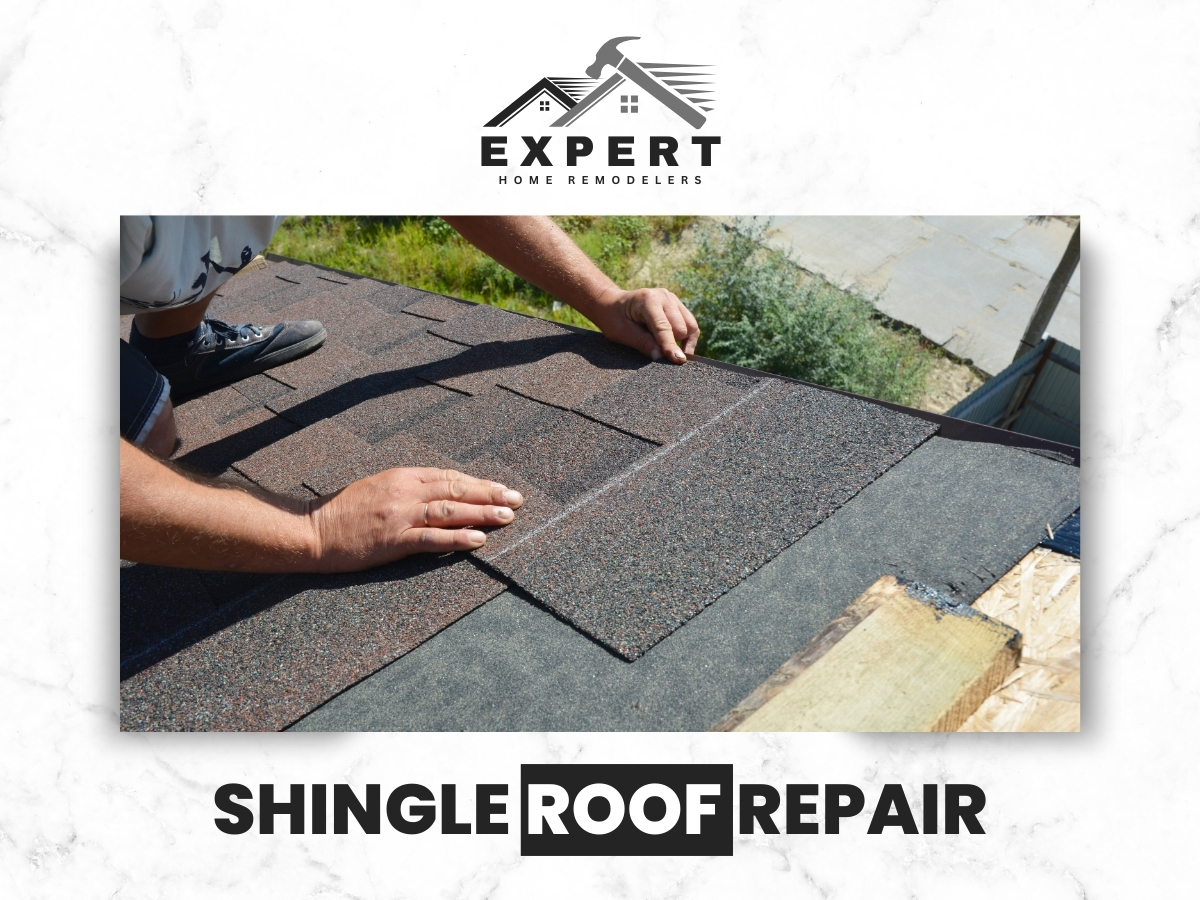
Shingle roof problems in Dallas can turn into leaks fast, so quick repair matters. Shingle roof repair in Dallas means finding the real source of the issue, replacing or re-sealing the right shingles, and restoring the roof system so water sheds the way it should. Expert Home Remodelers inspects the roof and key flashing points, completes focused repairs, and leaves your yard clean in Dallas, TX.

What shingle roof repair actually fixes

Shingle roof repair fixes the weak points that let water and wind do damage. Shingle roofs work as a system, not just a layer of shingles. A small break in that system can let water travel under the surface and show up far from the real problem. Repair work may include replacing missing shingles, resealing lifted tabs, fixing nail pops, and addressing flashing that has opened up.

Shingle roof repair is also about preventing the next issue. If one shingle blew off, nearby shingles may be loosened too. If a leak showed up around a vent, the vent flashing may be worn and the shingles around it may be brittle. We focus on the actual cause, not only the stain on your ceiling.

Expert Home Remodelers Logo Black

Need Help? Call Expert Home Remodelers near you

Pinpointing where the leak begins

Do you know where the water first appears, or does it show up after the storm is already gone. That detail helps, but we still confirm everything on the roof during residential roofing inspection and repair planning.

Signs you may need repair

You may need repair if you see leaks, loose shingles, or sudden granules in the gutters. Roof damage is not always dramatic. Many problems start small and stay hidden until heavy rain, strong wind, or a long hot stretch in Texas speeds things up. If you catch it early, the repair is usually more straightforward and keeps moisture out of the decking and attic.

Common signs to watch for include

  1. Water spots on ceilings or walls, especially after storms
  2. Drips near vents, chimneys, skylights, or valleys
  3. Shingles that look lifted, curled, cracked, or missing
  4. Dark streaks where water keeps running the same path
  5. Exposed nails or nail pops pushing shingles up
  6. Granules collecting at downspout exits or in gutters
  7. Soft spots on the roof surface never step there
  8. Pieces of shingle in the yard after wind

If you are seeing granules suddenly, it does not always mean the whole roof is done. It can mean a specific section took a beating. A targeted inspection through roofing contractors support tells the story.

Common causes in Dallas and North Texas

Many Dallas roof problems come from wind, flashing gaps, and heat wear that dries materials out. Shingles take daily stress from sun, temperature swings, and storms. Over time, seal strips can weaken and edges can lift. Once a tab lifts, wind can grab it like a little pry bar. Water can then reach nails and underlayment, which is why storm damage restoration often starts with a roof check.

Here are common causes we see around Dallas, TX

  1. Wind uplift that loosens shingles along ridges, hips, and roof edges
  2. Flashing issues at walls, chimneys, pipes, and valleys
  3. Nail pops from wood movement, poor nail placement, or older decking
  4. Aging sealant around penetrations that shrinks and cracks
  5. Poor drainage from clogged gutters or debris-filled valleys
  6. Storm debris like branches that bruise or tear shingles
  7. Heat fatigue that makes shingles brittle and easier to crack

A leak can travel along decking and rafters before it drops into a room. That is why the wet spot is right here does not always mean the hole is right above it. If the damage is widespread, we may discuss roof replacement versus repair.

Our inspection process

Our visit starts with a focused inspection to confirm the cause and the best repair path. We begin by listening. Where did you see water. When did it start. What changed recently, like a storm or tree trimming. Then we verify conditions on the roof and at the typical trouble points with a residential roofing approach.

A standard visit often includes

  1. Exterior review of shingles, ridges, hips, edges, and valleys
  2. Flashing check at vents, chimneys, skylights, and wall intersections
  3. Fastener review for nail pops and exposed nails
  4. Surface scan for cracks, blisters, and missing granules
  5. Attic check when accessible for damp decking, stains, and airflow issues
  6. Photo notes so you can see what we see

We keep repairs practical. If a small area needs shingles replaced, we do not recommend tearing into sections that are still performing. If flashing is the real issue, we focus there while keeping the scope aligned with roof system installation standards.

If you have pets or kids who love helping let us know

Roof work and curious helpers do not mix, so we plan the work zone and access with safety in mind during shingle roof repair.

Typical shingle repair work we perform

Shingle repairs usually come down to replacing damaged shingles and restoring the seal at key joints. Shingles are layered for a reason. The right repair restores the overlap, the adhesive seal, and the water path off the roof. We match materials as closely as possible and install them so they sit flat and blend in, consistent with residential roofing best practice.

Typical Shingle Roof Repair tasks include

  1. Replacing missing or broken shingles and fastening them correctly
  2. Re-sealing lifted tabs when the shingle is still in good shape
  3. Fixing nail pops by resetting fasteners and sealing properly
  4. Repairing ridge caps that have loosened or cracked
  5. Valley touch-ups where water flow is strongest
  6. Pipe boot and vent area repairs where leaks often start
  7. Chimney and wall flashing corrections if shingles are fine but metal is not

Sometimes the shingle looks okay but the issue is underneath. If underlayment is exposed or damaged, we address that area so you are not stuck with repeat leaks after the next storm, and we will tell you when roof replacement makes more sense than repeated repairs.

Need Help? Call us for Home Remodeling Services!

Flashing repairs and transition points

Flashing repairs stop many leaks because metal seams and transitions are common failure points. Most leaks are not from the middle of a shingle field. They start where the roof changes direction or something pokes through it. Flashing is what keeps those transitions watertight. If flashing is loose, rusted, bent, or sealed poorly, water finds the gap, which is why many shingle roof repair calls come down to flashing detail.

We pay close attention to
  1. Step flashing where a roof meets a side wall
  2. Counter flashing around chimneys and masonry
  3. Valley metal or woven valleys where two roof planes meet
  4. Vent pipe flashing and rubber boots that crack over time
  5. Skylight edges where sealants and gaskets can fail

If you have ever watched water run down a windshield and sneak under a wiper blade, you already understand flashing. Water is persistent and not easily impressed, so we verify these points the same way a careful roofing contractors team would.

Interior clues that help us diagnose the roof

Interior leak clues help us narrow the search, but the roof still decides the final answer. Ceiling stains, bubbling paint, and wet trim can suggest where the water is traveling. We use that information to target the most likely roof zones. Still, we confirm from the top because water can drift along framing and insulation, which is why shingle roof repair always includes roof side verification.

If you can safely share details before we arrive it helps

  1. Which room shows water first
  2. Whether it happens only with wind-driven rain
  3. How long after rain you notice it
  4. If it worsens when gutters overflow
  5. Any past roof work around that area

If water is near electrical fixtures, turn the power off to that circuit and avoid using the area until it is checked. Water and wiring are a bad combo, and active intrusion may also call for storm damage restoration planning.

How long repairs take and what affects timing

Repairs often take a few hours, but weather, access, and material condition can slow things down. Many shingle repairs are completed the same day once conditions are safe. Timing depends on roof pitch, height, the number of damaged areas, and how many layers we need to open and restore. If rain is active, we may need to pause and return when surfaces are dry enough for proper sealing, similar to how we approach roof installation details.

Common factors that affect time include

  1. Steep slopes that require extra setup and careful movement
  2. High roofs or limited access around landscaping
  3. Multiple leak points that need separate repairs
  4. Brittle shingles that crack when lifted, requiring more replacement
  5. Hidden decking issues found after opening the area
  6. Windy conditions that make roof work unsafe

If a repair is urgent and storms are stacked in the forecast, we prioritize stopping active intrusion safely, then finish detailed restoration as conditions allow with support from residential roofing practices.

Safety guidance for homeowners

Safety comes first, and there are times you should stop and call a pro right away. Roof surfaces can be slippery even when they look dry. Dallas weather can shift fast, and heat can make shingles soft and unstable. If you do not have the right equipment and experience, it is easy to damage shingles while trying to fix them, or worse, take a fall. When in doubt, start with roofing contractors support.

Call for help if

  1. The roof is steep or higher than one story
  2. You see sagging, soft decking, or rotted wood
  3. Water is entering near electrical areas
  4. The leak is active and spreading quickly
  5. You suspect hail or wind damage across multiple slopes
  6. You are not sure where to step safely

If you want to do a quick check yourself, stay on the ground. Use binoculars and look for missing shingles, lifted edges, and obvious flashing gaps. Your ankles will thank you, and then you can schedule shingle roof repair if needed.

How to prepare for our visit

You can prepare for our visit by sharing details and clearing safe access around the home. A little prep helps the inspection move faster and keeps your home protected while we work. If the leak is active, place a bucket under the drip and move valuables away from the area. If you have attic access, clear a small path so we can look safely without stepping on drywall, which supports efficient residential roofing troubleshooting.

Here is a simple pre-visit checklist

  1. Park vehicles away from the driveway edge if possible
  2. Secure pets indoors
  3. Note which rooms show stains or drips
  4. Move patio furniture away from the work zone
  5. Clear attic access and turn on a light if available
  6. Tell us about any past repairs, roof additions, or solar equipment

If you have a gated yard, please make sure we can reach the gate and that it opens. Gates have a funny habit of sticking on the day you need them, and access affects how we stage shingle roof repair.

Cleanup and after-care

Cleanup is part of the job because loose nails and shingle bits do not belong in your yard. Roof repair creates small debris, even with careful work. We collect torn shingles, old sealant pieces, and packaging. We also scan for stray fasteners around the repair area, consistent with home remodeling site standards.

After we finish we typically

  1. Pick up and bag roof debris
  2. Check nearby walkways and patios
  3. Inspect gutters near the repair zone for dislodged granules or pieces
  4. Confirm shingles lay flat and water paths look correct

If you have young kids who play in the grass, mention it. We will pay extra attention to the areas they use most during residential roofing cleanup.

After-care is simple

Watch the repaired area during the next few rains and keep water moving off the roof. Most repairs do not need special treatment, but good habits help the roof last longer. Keeping gutters clear and removing debris from valleys reduces water backup. Trimming branches helps prevent scrapes and broken shingles during wind, and can reduce the need for future shingle roof repair.

What to watch for after repair

  1. New stains that grow after rainfall
  2. Drips that appear only during wind-driven rain
  3. Overflowing gutters that spill onto fascia and soffits
  4. Shingles that lift again in the same zone
  5. Debris collecting in a valley

If you notice anything odd, write down the date, the weather conditions, and where you saw it. That helps narrow down the cause quickly, especially after storm damage restoration events.

Expert Home Remodelers

Dallas trouble spots and a quick symptom table

Dallas roof conditions make certain trouble spots more common, especially edges, valleys, and sun-baked slopes. Roofing in Dallas, Texas sees hot sun, sudden storms, and strong straight-line winds. That mix can loosen shingles, dry out seal points, and expose weak flashing. Homes with large trees may see more debris in valleys and gutters, and homes on open lots may see more wind lift at ridges and corners, which often leads to shingle roof repair.

Areas that often need extra attention in this region include

  1. Roof edges where wind gets under shingle tabs
  2. Ridge and hip lines where caps can crack or lift
  3. Valleys where water volume is highest
  4. South and west facing slopes that take more sun exposure
  5. Porch tie-ins where roofs meet walls and changes in pitch

If you have had a recent storm, do not wait for a ceiling stain to tell you something is wrong. By then, water has already had time to wander, and you may need both residential roofing repair and interior restoration planning.

A simple table can help you connect the symptom you see to the likely repair area

The same leak can show up in different ways, and different causes can look similar indoors. This quick reference helps you know what we will likely check first during shingle roof repair.

What you notice What it often points to Where we inspect first
Drip near bathroom fan or vent Vent flashing gap or cracked pipe boot Vent base, surrounding shingles
Stain spreading on ceiling after heavy rain Valley issue or multiple lifted shingles Valleys, upslope shingle field
Leak only with wind-driven rain Step flashing or edge lift Wall lines, corners, eaves
Shingle pieces in the yard Wind damage or brittle shingles Ridges, hips, perimeter
Granules piling at downspouts Wear on a slope or localized damage Downspout side slope, gutters

This table does not replace an inspection, but it can stop the guesswork spiral that keeps people up at night and helps set expectations for roofing contractors diagnostics.

Why homeowners choose Expert Home Remodelers

Homeowners choose Expert Home Remodelers because we keep the process clear and the repairs practical. Roof issues can feel stressful because water damage spreads and nobody wants surprises. We focus on straightforward communication, careful inspection, and repairs that make sense for your roof’s condition. We also respect your property and keep the job site orderly, whether it is shingle roof repair or broader home renovation work.

What you can expect from our team

  1. Clear explanation of what caused the issue
  2. Photos or visual notes so you can see the problem areas
  3. Repair steps that match the roof system, not quick patches that fail early
  4. Attention to cleanup around landscaping and walkways
  5. Coordination that respects your schedule

We are home remodelers, so we also understand how roof leaks affect drywall, trim, insulation, and indoor air comfort. Stopping the water is step one. Protecting the rest of the home matters too, and may connect with home remodeling needs when leaks have gone on too long.

Storm follow up and small damage that becomes big damage

Shingle roof repair in Dallas is also the right move after storms, even if the damage looks small from the ground. A roof can look mostly fine and still have lifted tabs, loosened caps, or flashing that shifted just enough to leak. Small openings often show up later as stained ceilings, damp insulation, or musty smells. Catching it early keeps the repair focused and protects the structure, and it also helps determine whether you need basic repair or broader storm damage restoration.

If a storm recently passed through your area ask yourself

  1. Did you find shingles or granules in the yard
  2. Do gutters overflow more than usual now
  3. Do you hear dripping in a wall after rain stops
  4. Does one room smell damp even on dry days

If you answered yes to any of those, it is worth having the roof checked. Shingle roof repair in Dallas is often simpler when it is done before moisture spreads beyond the roof surface, and in some cases you may want to compare repair with roof replacement.

Related Services

If you are planning multiple updates or the roof issue connects to other parts of the home, these services may help.

Related Services

Shingle roof repair in Dallas should start with a call so we can stop the leak and prevent repeat damage. If you suspect a leak or see shingles out of place, it is smart to act before the next storm tests the same weak spot again. Expert Home Remodelers handles shingle roof repair in Dallas with careful inspections, solid repairs, and clean work areas. Ready to get it handled. Call (682) 458-3062 to schedule service.

Contact Us to share what you noticed and when it started so we can arrive prepared.

Frequently Asked Questions (FAQs)

Shingle roof repair addresses damaged, missing, or deteriorated shingles and related roof components to help restore the roof’s ability to shed water and protect the home.

Common signs include missing or curled shingles, granules collecting in gutters, visible cracking, water stains on ceilings, and areas that look uneven or worn.

Yes. Even small areas of damage can allow water to enter, especially during wind-driven rain, and moisture can travel before it becomes visible indoors.
Repair focuses on correcting localized issues, while replacement involves removing and installing a new roofing system; a contractor can help determine which approach fits the roof’s condition.
Weather exposure, wind, aging materials, debris impact, improper installation, and poor ventilation can all contribute to shingle wear and failure.
They generally inspect shingles, flashing, roof penetrations (like vents and chimneys), valleys, and attic conditions to identify likely entry points and contributing factors.
Repairs may include flashing, underlayment in affected areas, sealants at penetrations, ridge caps, and ventilation-related components when needed.
Minor issues may seem straightforward, but roof work involves fall risks and potential for improper repairs; many homeowners choose a qualified professional for safety and reliability.
Timing varies based on the extent of damage, roof access, and weather conditions, but many repairs are completed within a relatively short window once scheduled.
Yes. Expert Home Remodelers provides shingle roof repair services and can evaluate the roof’s condition to recommend appropriate next steps.
Kitchen Layout Moves That Make Cooking and Cleanup Easier, 9 Smart Changes

Kitchen Layout Moves That Make Cooking and Cleanup Easier, 9 Smart Changes

A good kitchen layout makes cooking feel like a smooth relay race, not a bumper…

The Bathroom Remodel Upgrade Most People Notice First

The Bathroom Remodel Upgrade Most People Notice First

Most people notice the vanity first. It sits right in front of you, holds the…

The Step Most Homeowners Skip Before a Full Home Remodel

The Step Most Homeowners Skip Before a Full Home Remodel

Most full home remodel problems start before the first hammer swing. The step many homeowners…