1. Home
  2. »
  3. Siding Replacement

Siding Replacement in Dallas, TX

Get Siding Replacement In Dallas with Expert Home Remodelers. Fast inspections, quality materials, clean installs, and clear pricing. Request a free quote today

Table of Contents
Siding Replacement In Dallas by Expert Home Remodelers
Get Siding Replacement In Dallas with Expert Home Remodelers. Fast inspections, quality materials, clean installs, and clear pricing. Request a free quote today

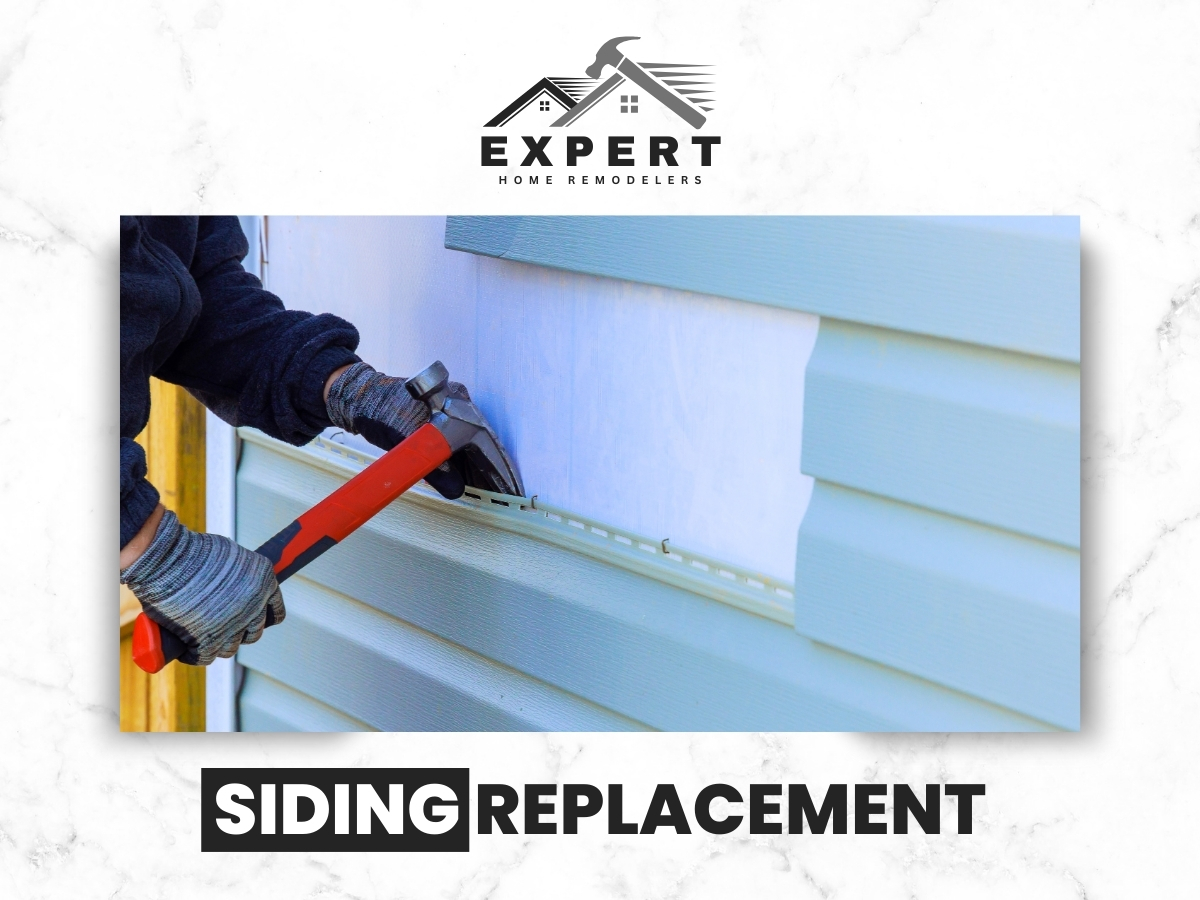
Siding Replacement

If your siding is cracked, warped, or pulling away, Siding Replacement In Dallas can stop moisture problems and refresh your home’s look. Expert Home Remodelers handles the full job in Dallas, TX, from inspection to clean removal and careful installation. You get clear options, solid materials, and a finished exterior that looks sharp and works hard.

Siding replacement means removing failing siding and installing a new exterior skin that protects your home. Old siding can let water, heat, and pests slip into places they should not be. New siding helps manage rain, sun, and wind while improving curb appeal. It also supports better comfort inside by tightening up the outside shell.

Expert Home Remodelers focuses on practical planning and clean workmanship. We look at what is happening under the siding, not just what you can see from the driveway. Then we install siding the right way, with correct flashing, sealing, and trim details.

Are you dealing with one bad wall, or does the whole exterior look tired. We can help you sort that out with a clear inspection and straightforward recommendations.

Signs you may need new siding

You may need new siding if you see moisture signs, frequent repairs, or visible warping. Siding rarely fails all at once. It gives warning signs, and those signs matter in Texas weather.

Visible damage and movement

Failing siding often shows up as visible damage or movement. Look for these common clues.

  1. Panels that are cracked, loose, or missing
  2. Warped boards or ripples that were not there before
  3. Gaps at seams, corners, or around windows and doors
  4. Soft spots you can press with a finger
  5. Trim that looks swollen or uneven

If a section flexes in the wind, that is not normal settling. That is siding that is no longer doing its job.

Expert Home Remodelers Logo Black

Need Help? Call Expert Home Remodelers near you

Interior warning signs

Hidden problems often show up inside the house too. You might notice.

  1. Musty smells near exterior walls
  2. Paint bubbling or peeling indoors on outside facing walls
  3. Stains around windows
  4. Higher humidity in certain rooms

If you are seeing interior clues, the exterior may be letting water in behind the scenes. That is where a careful inspection earns its keep.

When one area looks small but the cause is not

A single weak spot can point to a bigger issue at a transition. If you also plan home window replacement, it can help align exterior details at openings during a siding project.

How Dallas weather affects siding

Dallas weather can speed up siding wear through sun, storms, and shifting moisture. North Texas homes go through hot summers, quick downpours, and strong storm winds. Your siding takes the hit first.

Sun and heat stress

Sun and heat can bake siding until it loses shape. Long days of direct sun can fade color and stress panels. Some materials handle UV better than others. Even good materials need correct spacing and fastening so they can expand and contract without buckling.

Storm driven rain and wind

Storms can push water into tiny gaps that grow over time. Wind driven rain is a big deal. Water does not need a big opening. It needs a weak spot, like failed caulk, missing flashing, or a corner that was never sealed right.

If you suspect storm related issues beyond siding, storm damage restoration can help connect the dots across the exterior.

Splashback and sprinklers

Yard sprinklers and splashback can keep the bottom edge wet. Siding that stays damp near the ground can rot trim and invite insects. Simple changes like adjusting sprinklers help, but damaged siding still needs the right fix.

Drainage improvements like French drain installation can also reduce recurring moisture near exterior walls.

Our siding inspection approach

Our inspection focuses on the siding, the trim, and what may be happening underneath. A good siding decision starts with facts, not guesses. We look at both appearance and performance so you can choose the right scope of work.

Exterior walk and failure points

We start by walking the exterior and checking common failure points. We pay close attention to.

  1. Corners and outside trim
  2. Window and door openings
  3. Bottom edges near slabs, patios, and flower beds
  4. Roof lines, chimneys, and wall penetrations
  5. Gutter areas where overflow may have occurred

We also look for patterns. A single bad area may point to a flashing issue. Widespread damage may point to age, heat stress, or older installation methods.

Moisture clues behind the siding

We check for signs of moisture behind the siding where accessible. Some clues are visible without opening walls, like stained sheathing at an edge or soft trim. If we see signs that more investigation is needed, we talk through next steps before anything changes on your house.

You deserve to know what we see and why it matters. If other exterior updates are planned, pairing siding work with exterior painting services can help deliver a consistent finished look.

Siding replacement as a water management system

Siding replacement is not just new panels, it is a system that manages water. Siding is part of a bigger exterior system. Done right, it sheds water, dries properly, and protects openings.

Flashing and transitions

Water control depends on flashing and correct transitions.

Key areas we verify

  1. Window head flashing and side flashing
  2. Door transitions and thresholds
  3. Roof to wall intersections
  4. Ledger and patio cover connections
  5. Pipe, vent, and light fixture penetrations

If these details are skipped, new siding can still leak. That is like putting on new boots with holes in the soles. Nice look, bad result.

If your project also involves roof intersections, coordinating with roof replacement can help prevent weak transitions at the roofline.

Venting and drainage space

Venting and drainage space matter for long term performance. Some siding types use a rain screen style gap or specific wrap methods to help walls dry. We match the build method to the home and the chosen siding material.

Replacement scope and options

We offer siding replacement options based on your home’s style and your goals. Every home has its own look, and every homeowner has their own priorities. Some want a modern clean finish. Others want a classic profile that matches the neighborhood.

Need Help? Call us for Home Remodeling Services!

Full replacement

Full replacement is the best fit when multiple elevations are failing. If damage is widespread, full replacement may be the smartest path. It helps keep the exterior consistent in color and profile. It also lets us address trim and flashing in a coordinated way.

If you are comparing new builds versus major upgrades, whole home remodel planning can help you map exterior priorities together.

Partial replacement

Partial replacement can work when the issue is isolated and the match is realistic. If one wall took storm damage, partial replacement may be enough. The key is whether we can match the existing siding profile and color closely. If not, the repair can look like a patch, and not the good kind.

Trim, soffit, and fascia updates

Trim, soffit, and fascia updates can be included for a finished look.

  1. Fascia boards at the roof edge
  2. Soffits under eaves
  3. Corner boards and window trim

Replacing siding but leaving failing trim is like getting a haircut and skipping the shower. It can still look off. We will point out trim concerns so you can decide what makes sense.

For a full exterior refresh, house painting services may be a good next step after siding work is complete.

Material selection considerations

Material selection comes down to durability, appearance, and maintenance habits. You should not have to baby your siding. You also should not pick a material that fights your home’s layout.

Low maintenance priorities

Low maintenance siding is popular for busy households. Many homeowners want easy cleanup and consistent appearance. If you travel often or rent out the property, low maintenance options can be a strong fit.

Painted and paint ready options

Painted and paint ready options work well if you want color control. Some siding products hold factory color. Others are meant to be painted. If you want a specific color scheme, or you like repainting every so often, we can talk through what supports that goal.

A simple comparison to stay focused

Here is a quick look at common considerations.

What you care about What to look for in siding
Heat and sun exposure Strong UV resistance, correct install spacing
Impact risk from storms Better impact resistance, stronger profiles
Low upkeep Washable surfaces, stable finishes
Classic look Traditional lap profiles, clean trim details
Modern look Smooth panels, crisp corners, minimal seams

We will discuss what you want the house to look like from the street and how much upkeep you want to do each year.

If you are still weighing whether you need replacement or a new exterior build, reviewing siding installation details can help clarify what is included.

Our step by step install process

Our install process follows a clean, step by step plan that keeps your home protected. Siding replacement works best when each stage is handled in order. Skipping steps is how water gets in later.

Site protection and staging

We protect landscaping and hard surfaces before removal starts. We use practical containment to keep debris under control. We also plan where materials will be staged so walkways stay usable.

Careful removal and wall review

We remove old siding carefully and check the wall condition. Once the old siding is off, we look for.

  1. Damaged sheathing
  2. Soft or rotted areas
  3. Signs of past leaks
  4. Insect activity
  5. Problem transitions around windows and doors

If we find issues, we bring them to you with clear explanations. No mystery damage talk.

Weather barrier and flashing details

We install the weather barrier and flashing details before new siding goes on. This step is where the wall gets its water management plan. Wrap, tape, and flashing details must be right at openings and intersections.

Siding and finish details

We install siding, trim, and finish details with consistent lines. Siding should sit flat and align cleanly. Corners should look straight. Seams should be placed with intention, not wherever they happened to land.

Expert Home Remodelers

Cleanup and final walk through

We clean up thoroughly and do a final walk through. We pick up debris, remove protection, and check the exterior from multiple angles. We also review basic care so you know how to keep the finish looking good.

If your exterior also includes doors and openings that need upgrades, impact window installation can strengthen the overall exterior shell in storm prone areas of TX.

Project timeline and what can affect it

Most siding replacements take days, and the timeline depends on size, layout, and weather. A small, simple exterior moves faster than a large home with many corners and openings. Weather also plays a part, because some steps should not be rushed in rain.

These factors often slow a project down

  1. Multiple stories and steep roof lines
  2. Lots of windows, doors, and decorative trim
  3. Repairs needed under the old siding
  4. Access limits, tight driveways, or landscaping obstacles
  5. Sudden Dallas storms and wet conditions

We keep you updated as conditions change. Nobody likes surprises, unless it is a surprise birthday party and you actually like those.

If you are planning other upgrades at the same time, home remodeling coordination can reduce downtime and keep exterior work sequenced well.

Safety and when to call a pro

Safety matters because siding work involves ladders, tools, and hidden hazards. Even a simple exterior job has risks. That is why planning and proper setup are key.

Stop a DIY attempt in high risk conditions

You should pause a DIY attempt if you see water damage or wiring. Stop and call a pro if you run into.

  1. Soft wall areas or visible rot
  2. Mold like staining or persistent moisture
  3. Unsealed gaps around windows and doors
  4. Exterior outlets, lights, or wires in the work area
  5. Signs that the wall may not be flat or stable

Siding covers a lot, which means it can hide a lot. If the wall is telling you something is wrong, listen.

Ladder and fall risk on taller elevations

Ladder and fall risks are real on Dallas homes with tall elevations. Two story sections, sloped ground, and tight spaces raise the stakes fast. Professional crews plan access and staging so work stays controlled.

For additional guidance on ladder safety, see OSHA ladder requirements.

How to prepare for siding replacement

You can prepare for the project with a few simple steps that reduce stress. A little prep keeps the job moving and protects your belongings.

Outside preparation

Outside prep keeps access clear and prevents damage. Before we arrive, it helps to.

  1. Move patio furniture, grills, and potted plants away from walls
  2. Trim shrubs back a bit from the siding line
  3. Park vehicles away from the work zone
  4. Point out sprinkler heads and drip lines near the foundation
  5. Secure loose items on porches and patios

Inside preparation

Inside prep helps with vibration and noise. Siding removal and fastening can cause vibration. We suggest.

  1. Move fragile wall items away from exterior walls
  2. Keep pets in a calm area during active work
  3. Plan for some daytime noise

Do you have a specific side gate that sticks, or a neighbor easement we should know about. Tell us early so we can plan around it.

If you also want to improve outdoor living areas during the same season, patio cover installation may be easier to schedule alongside exterior work.

After installation care and maintenance

After installation, basic care helps your new siding look good and perform well. Most siding only needs light maintenance, but ignoring small issues can create bigger ones.

Visual checks

Regular visual checks catch small problems before they grow. A quick walk around a few times a year helps. Look for.

  1. New gaps at trim or corners
  2. Caulk joints that look split
  3. Downspouts that dump water against the wall
  4. Mulch piled too high against the bottom edge
  5. Sprinklers spraying the siding

Gentle cleaning

Gentle cleaning keeps dirt and mildew from sticking around. Most siding does well with a light rinse and mild soap. Avoid blasting water into seams. If you have to use pressure, keep it controlled and directed properly.

If you see a stain that keeps returning, that can point to a moisture source. Fix the source, not just the stain.

For homeowners who want a full refresh beyond siding, residential painting services can help keep exterior and trim finishes consistent.

Dallas area siding concerns we plan for

Dallas area homes have specific siding concerns that we plan for from day one. Homes in Dallas, TX and nearby areas often share similar exterior challenges. Heat, storms, and soil movement all play a role.

Expansive soils and movement

Expansive soils can affect wall lines and trim joints. Foundation movement can show up as shifting gaps at trim or corners. Siding should be installed with proper clearances and fastening methods that allow normal movement without buckling.

If the exterior shows movement related gaps, pairing siding work with broader home renovation planning can help prioritize repairs logically.

Hail and wind impacts

Hail and wind can cause impact damage you might not notice right away. Hail can crack certain siding types or dent trim. Wind can loosen panels over time. If your neighborhood had a strong storm, it is smart to do a careful exterior check.

If shingles or roof edges were also hit, shingle roof repair can address related weak points.

Brick and siding transitions

Brick and siding mixes need clean transitions. Many Texas homes use brick on lower sections and siding above. That transition line needs correct flashing and spacing so water does not get trapped.

Adjacent hardscape can affect splashback at these areas, so hardscape remodeling may be worth considering if water is consistently bouncing onto the wall.

Why homeowners choose Expert Home Remodelers

Homeowners choose Expert Home Remodelers because we keep the process clear and the jobsite orderly. You should feel informed at each stage, not left guessing. We explain what we recommend, what we found, and what the next step is.

Simple communication

Communication stays simple, so you can make good choices. We will.

  1. Explain the condition of your current siding in plain language
  2. Review material and style options that match your home
  3. Confirm the scope before work begins
  4. Keep the work area organized
  5. Walk the finished exterior with you

We do not talk at you. We talk with you.

Detail focused workmanship

Craftsmanship shows in the details people notice every day. Straight lines, clean corners, neat trim, and proper sealing matter. Those details are what you see from the street and what protects the wall behind it.

If you have lived with crooked seams for years, it is okay to want better. Your house will not get offended.

Related Services

Schedule your siding replacement by contacting us directly. If you are ready to plan Siding Replacement In Dallas, Expert Home Remodelers is ready to help with a straightforward inspection and a clean install plan. Call (682) 458-3062 to get started. For Siding Replacement, we serve Dallas, Texas homeowners who want results they can feel good about. To schedule, visit Contact Us.

Frequently Asked Questions (FAQs)

Siding replacement is the process of removing and installing new exterior siding to help protect the home from weather and refresh its appearance. Expert Home Remodelers provides siding replacement services.
Common signs include cracking, warping, frequent peeling paint, moisture issues, or visible deterioration. A contractor like Expert Home Remodelers can discuss your concerns and review options.
In some cases, partial replacement may be possible, depending on the extent of damage, matching availability, and overall condition of the existing siding.
Options often include vinyl, fiber cement, engineered wood, wood, and metal. The best fit depends on your home, climate, maintenance preferences, and design goals.
Timelines vary based on home size, material choice, weather, and project scope. Expert Home Remodelers can outline what to expect for a typical installation.
Yes. New siding can update color, texture, and trim details, and it may also allow for design changes such as different profiles or accents.
Not always, but these components are often evaluated during a siding project since they affect appearance and water management. Your contractor can discuss whether updates make sense.
Old siding is typically removed and disposed of according to local requirements, though some installations may involve installing over existing layers when appropriate and permitted.
It can, especially if the project includes addressing gaps, moisture barriers, or insulation considerations. Results depend on existing conditions and the chosen system.
Homeowners often clear areas near exterior walls, protect outdoor items, and plan for temporary noise and access needs. Expert Home Remodelers can provide general preparation guidance before work begins.
Kitchen Layout Moves That Make Cooking and Cleanup Easier, 9 Smart Changes

Kitchen Layout Moves That Make Cooking and Cleanup Easier, 9 Smart Changes

A good kitchen layout makes cooking feel like a smooth relay race, not a bumper…

The Bathroom Remodel Upgrade Most People Notice First

The Bathroom Remodel Upgrade Most People Notice First

Most people notice the vanity first. It sits right in front of you, holds the…

The Step Most Homeowners Skip Before a Full Home Remodel

The Step Most Homeowners Skip Before a Full Home Remodel

Most full home remodel problems start before the first hammer swing. The step many homeowners…