Kitchen Layout Moves That Make Cooking and Cleanup Easier, 9 Smart Changes
A good kitchen layout makes cooking feel like a smooth relay race, not a bumper…
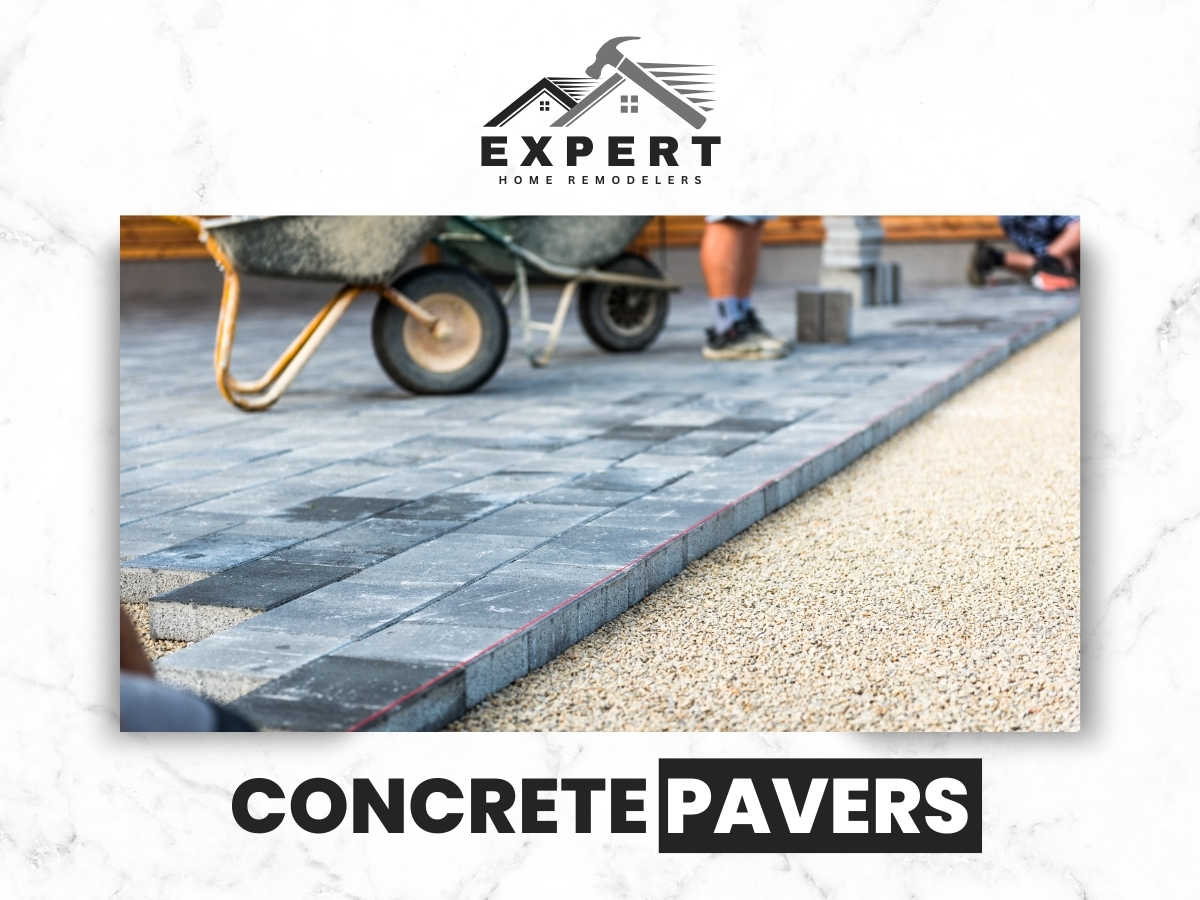
Expert Home Remodelers installs Concrete Pavers In Greenville for patios, walkways, and driveways with durable materials, clean lines, and care

Concrete pavers in Greenville, TX give homeowners and property managers a practical way to create defined outdoor surfaces for patios, front walks, pool areas, garden paths, and driveway sections. Pavers can help turn open lawn, muddy shortcuts, or unfinished exterior areas into usable parts of the property.
Expert Home Remodelers helps plan and install concrete paver surfaces that fit the layout and intended use of a property. The process considers site preparation, drainage, base work, pattern selection, and edge restraints so the finished surface looks intentional and connects neatly with the surrounding home and landscape.
Concrete pavers are individual manufactured paving units installed over a prepared base rather than poured as one continuous slab. Because the units are separate, they can be arranged in different patterns and adapted to curved, narrow, or irregular spaces around a Greenville property.
Common patterns include running bond, basket weave, herringbone, and clean linear layouts. Pavers are available in different shapes, textures, and neutral colors that can work with brick homes, stone accents, siding, and modern exterior finishes throughout Texas.
Each project begins with the space itself. A narrow path near Wesley Street needs a different approach than a broad backyard patio on the south side of Greenville. The intended traffic, nearby landscaping, slope, and existing surfaces all affect the layout.
Need Help? Call Expert Home Remodelers near you
A concrete paver patio can create a usable area for outdoor meals, grills, chairs, and family gatherings. Many Greenville backyards have open space but no finished area for relaxing outdoors. A paver surface can provide a more stable place for tables, chairs, and grills than grass alone.
Patios can be shaped around existing trees, planting beds, fences, and doors. A direct path from the back door to the seating area may make a compact patio more useful than a much larger surface placed far from the house.
A front walkway can improve how guests approach the home. This can be especially helpful when an existing path is narrow, cracked, poorly aligned, or missing. Pavers can create a direct route from the driveway, sidewalk, or front gate to the entry.
Borders can help distinguish the walkway from flower beds, mulch, lawn, or decorative rock. A simple pattern may suit a traditional brick home, while a linear layout may complement a newer exterior style.
Concrete pavers may be used for driveways, parking pads, and vehicle turnaround areas when the base and paver selection are planned for vehicle use. This can help homes that need room for extra vehicles, work trucks, trailers, or visitors.
In Greenville neighborhoods with shorter driveways or limited parking space, a paver parking area can make the property easier to use without covering the entire yard in a broad poured surface. For properties that need a more conventional foundation surface, concrete slabs in Greenville, TX may also be considered for the project plan.
Side yards are often overlooked until rain turns them into a muddy shortcut. A paver path can connect a gate, trash bin area, shed, hose connection, or backyard space. Curved garden paths can also work around flower beds and shade trees without making the landscape feel overly formal.
Concrete pavers can suit storefront walkways, office entrances, small plazas, outdoor seating zones, and landscaped entries. Near busy routes such as Interstate 30, Lee Street, and Joe Ramsey Boulevard, a well-defined entry path can guide visitors from parking to the door.
Concrete pavers and poured concrete both have a place in exterior construction. The right choice depends on how the area will be used, existing site conditions, preferred appearance, and how the surface connects to the rest of the property.
Pavers are separate units, which makes patterns, borders, curves, and changes in direction possible. A patio can use one color in the main field with a darker perimeter border. A walkway can follow a planting bed or connect naturally with a driveway.
The work beneath the visible pavers matters just as much as the pavers themselves. Grading, aggregate base, bedding material, compaction, and edge restraints all contribute to how the surface performs over time.

Need Help? Call us for Home Remodeling Services!
Every Greenville property has different conditions. Some yards are level and open, while others include slopes, tree roots, existing concrete, utility access points, and drainage concerns. Expert Home Remodelers approaches paver installation with a clear sequence based on the site and the intended use of the area.
The first step is understanding how the surface will be used. A footpath, patio, driveway section, and commercial entry require different planning for excavation, base depth, paver selection, and layout.
The shape, paver pattern, borders, transitions, and connection points are considered before installation begins. This includes how the area meets the home, driveway, fence, landscaping, existing slab, or other exterior feature.
The installation area is excavated to create room for the required base layers and pavers. Aggregate base material is placed and compacted in stages to create support for the paver system. The needed depth depends on site conditions and the type of traffic expected on the surface.
Water should have a route away from structures and away from areas where it can collect. This is especially important during heavy North Texas rain. Existing drainage patterns, downspout outlets, low spots, swales, and nearby landscaping should all be considered before the pavers are installed.
A bedding layer is prepared before pavers are placed in the selected pattern. Cuts may be needed around edges, posts, curves, and other features. Edge restraints help hold the paver field in place, while joint material helps interlock the finished surface.
Running bond uses offset rows. It is simple, familiar, and often a good choice for walkways, patios, and narrower spaces. It can make a long path feel organized without drawing too much attention to itself.
Herringbone uses a repeating zigzag arrangement. This pattern is often considered for areas with vehicle traffic because of the way the pavers interlock. It can also add movement and visual character to a larger patio.
Basket weave creates a traditional appearance that can work well with older brick homes, cottage-style landscaping, and classic front entries. It may fit naturally near Greenville historic areas and older residential streets.
Larger rectangular pavers placed in clean rows can create a more modern appearance. These layouts may suit contemporary homes, renovated ranch houses, commercial entries, and exterior spaces with simple architectural lines.
Borders can frame a patio, define a walkway, or create a transition near a driveway. A contrasting edge can remain subtle while still giving the finished surface a more defined appearance.
Greenville weather and soil conditions can influence the installation process. North Texas has warm summers, sudden storms, clay-heavy soil in many areas, and seasonal changes that can affect ground conditions.
Heavy rain can slow ground preparation when the base area needs time to dry. A project near a low backyard area, drainage swale, or downspout outlet may need additional planning before installation. Mature trees can also affect excavation depth and layout, and shifting a walkway slightly may be preferable to forcing a straight route through an established root zone.
Pavers do not replace a complete drainage plan, but the installation can be designed with drainage in mind. The finished surface needs intentional slope so water moves away from the home and toward an appropriate outlet area.
During planning, Expert Home Remodelers considers where water currently collects, downspout discharge locations, the slope from the home toward the yard, nearby flower beds, retaining edges, existing drains, swales, and the way the new paver area meets concrete or turf.
For example, a patio behind a home near the Greenville Sports Park area may need a gentle slope away from the foundation so rainfall does not remain along the rear wall. A side-yard path may need to avoid blocking the natural route of water toward the back of the property.
A little planning goes a long way before construction begins. Consider how the outdoor area will actually be used instead of only how it may look in a photograph.
A small patio can be more useful than a large one when the layout is right. A compact seating area with a direct path from the back door may receive more regular use than a broad surface at the far end of the yard.
Greenville includes older homes, brick ranch houses, newer subdivisions, small commercial buildings, and rural-edge properties. Concrete pavers can be selected to complement many of these settings. Earth-toned pavers with a simple border can blend with traditional brick homes, while gray or charcoal pavers in a linear pattern may provide a cleaner look for newer homes.
The right design should fit the building and the daily routine. A patio that looks impressive is less helpful if it does not provide a clear path to the grill, door, driveway, or outdoor seating area.
Routine care helps a paver surface remain orderly and functional. Exact maintenance needs depend on shade, tree coverage, traffic, drainage, and how the space is used.
A patio under heavy tree cover may need more frequent sweeping than an open driveway. Areas near pecan trees, crepe myrtles, or garden beds can collect leaves and organic debris quickly. If you notice low spots, shifting pavers, standing water, or moved edges, addressing those changes early can help prevent more noticeable issues later.
Commercial properties often need exterior surfaces that are easy to navigate and appropriate for the building appearance. Concrete pavers can be used for entryways, outdoor seating areas, courtyard paths, and landscaped walk zones.
For a business, the layout should consider how customers, employees, deliveries, and maintenance crews move through the property. Common needs include storefront entrance walks, small office patios, restaurant seating areas, multi-unit property paths, courtyard connections, landscape access routes, and defined pedestrian areas near parking.
For remodeling work that includes indoor updates alongside exterior improvements, countertop fabrication in Greenville, TX may be relevant for kitchen and entertaining areas within the same property plan.
Expert Home Remodelers serves Greenville and nearby Hunt County communities. Service areas commonly include ZIP codes 75401, 75402, 75403, 75422, 75428, 75436, 75453, and 75135. You can review Greenville, TX service areas for additional local coverage information.
Whether a property is near downtown Greenville, around Majors Stadium, off Joe Ramsey Boulevard, or in a nearby community, paver planning can be tailored to the site conditions and intended use.
Learn about the team at Expert Home Remodelers and the practical approach used for planning exterior improvements in Greenville and surrounding Texas communities.
Whether you need a patio, walkway, driveway section, or outdoor gathering area, contact Expert Home Remodelers to schedule a discussion about your concrete paver project. You can also call (682) 458-3062.
Concrete pavers are often used for patios, walkways, driveways, pool decks, and outdoor seating areas because they create a clean, modular surface that can fit many home styles.
In general, concrete pavers are chosen for their durability and can perform well through seasonal temperature changes when properly installed and maintained.
They can be, depending on site conditions and how the base is prepared; a contractor can help determine whether pavers are a suitable choice for your driveway layout and usage.
Pavers are installed as individual units, which can make spot repairs and design changes more manageable, while poured concrete is a continuous slab with a different look and maintenance approach.
Typical upkeep may include occasional sweeping, rinsing, weed control along joints, and periodic checks for settling; some homeowners also choose sealing depending on their goals.
Sometimes, but it depends on the condition and type of the existing surface, drainage, and height constraints; an evaluation is usually needed to decide the best approach.
Consider your home’s exterior, existing hardscape, and the overall look you want; many people choose neutral tones for flexibility or contrasting borders for definition.
They can be part of a drainage-friendly plan, especially when the project includes proper grading and base preparation; drainage should be considered in the overall design.
Look for clear communication, experience with base preparation and layout, and a process that addresses site conditions like soil, slope, and drainage.
Yes. Expert Home Remodelers offers a range of services—including Concrete Pavers—along with other home remodeling and exterior improvement solutions, depending on your project needs.
A good kitchen layout makes cooking feel like a smooth relay race, not a bumper…
Most people notice the vanity first. It sits right in front of you, holds the…
Most full home remodel problems start before the first hammer swing. The step many homeowners…