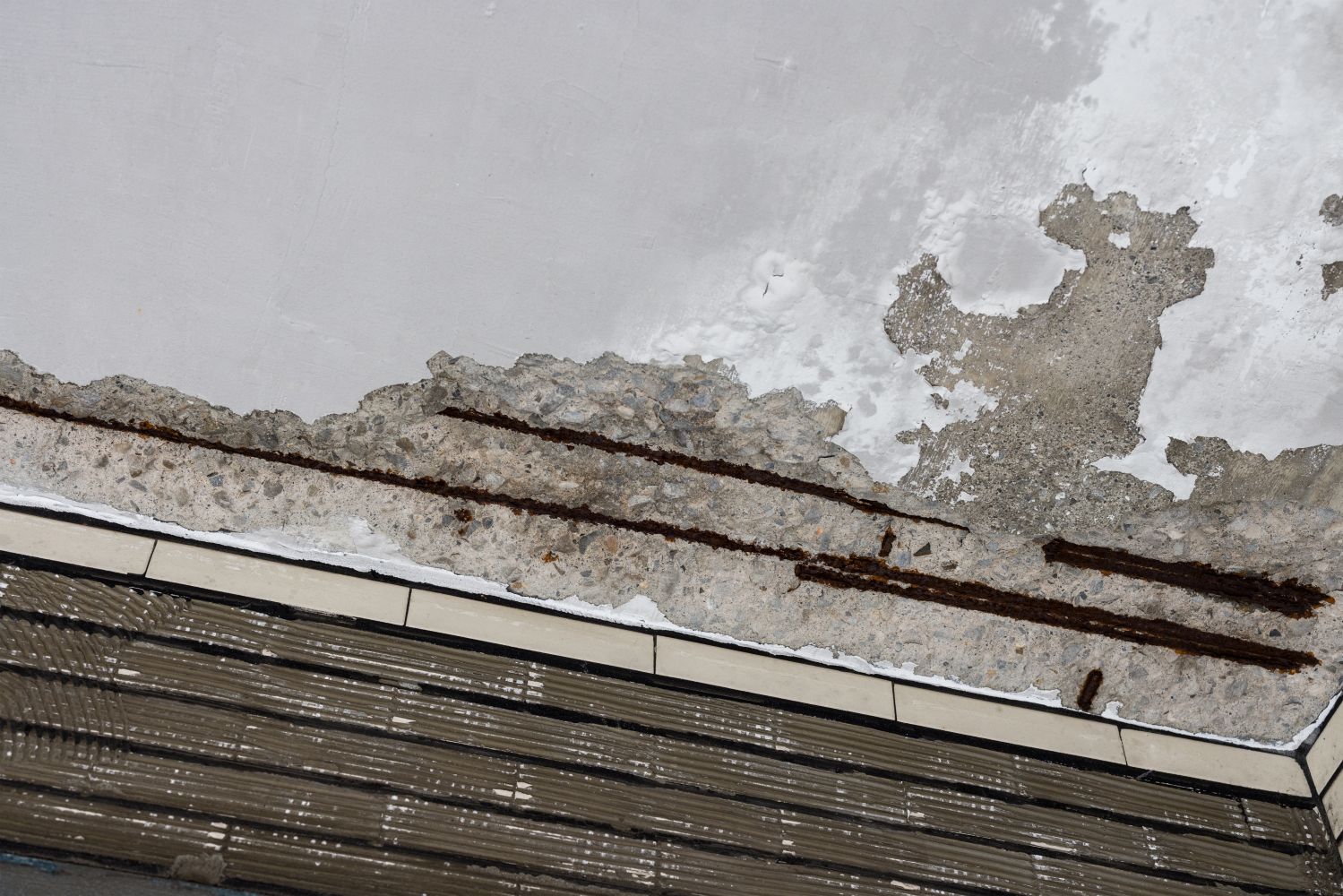
Roof leaks keep coming back when the repair only covers the wet spot, not the true entry point. Water is sneaky. It can slip in at flashing, vents, chimneys, skylights, or nail holes, then travel before it shows on your ceiling. A patch may stop the drip for a while, but if the weak area stays in place, the leak often returns after the next hard rain.

Why a roof leak can fool you
A roof leak likes to play hide-and-seek. The stain on your ceiling is often not right under the real problem. Water can move along wood decking, rafters, and insulation before it drops into your room.
That is why many repeat leaks happen after a repair that looked right at first. Someone sees the stain, patches the shingles above it, and calls it a day. Then the next storm rolls through, and drip, drip, drip, the bucket comes back out.
The main issue is simple. The first repair may have treated the symptom, not the cause.
The most common spots where repeat leaks start
Some roof areas take more abuse than others. These spots move, expand, shrink, and collect water. They need more than a fast patch.
Flashing around chimneys and walls
Flashing is thin metal that seals the joints where the roof meets a wall, chimney, or other surface. When flashing rusts, lifts, bends, or gets installed the wrong way, water gets a clear path inside.
A lot of repeat leaks start here because the old flashing stayed in place during a repair. New shingles on bad flashing are like new tires on a car with a bent rim. It may look better, but the problem is still riding along.
Watch for:
- Water stains near fireplaces
- Damp spots after wind-driven rain
- Cracked sealant around metal edges
- Loose flashing where the roof meets siding or brick
Roof penetrations
Every item that sticks through the roof is a leak risk. That includes:
- Plumbing vents
- Exhaust vents
- Furnace flues
- Satellite mounts
- Solar mounts
- Skylights
These parts have boots, collars, or seals around them. Sun, rain, and time wear those parts down. A tiny crack in a vent boot can let in a shocking amount of water.
If the leak keeps showing up near a bathroom, kitchen, or attic vent, a roof penetration leak is a prime suspect.
Valleys where roof slopes meet
A roof valley handles a lot of runoff. Think of it as the highway for rainwater. If shingles are placed wrong, if metal is exposed where it should not be, or if debris builds up, water can back up and sneak under the roofing.
Valleys can also get damaged by foot traffic. One wrong step during holiday light season, and that area may never be quite the same.
Missing the underlayment problem
Shingles are the outer shield, but underlayment adds backup protection below them. If the roof has old, torn, or rotten underlayment, a small surface repair may not hold for long.
This matters on older roofs. If the top looks decent but the layers below are worn out, repeat leaks are more likely.
Nail pops and bad fasteners
A nail pop happens when a roofing nail lifts up and pushes on the shingle above it. That creates a tiny gap where water can enter. It sounds small, and it is, but roofs are funny that way. A tiny opening can make a big mess indoors.
Bad fasteners also matter. Nails placed too high, crooked, or not driven flush can weaken the whole repair area.
Clogged gutters and edge problems
Sometimes the leak is not from the middle of the roof at all. Water can back up at the edges if gutters clog with leaves and grit. That trapped water can push under shingles near the eaves.
If you notice drips near exterior walls after a storm, this area deserves a close look.
Why quick repairs often fail
Quick roof repairs can help in an emergency. They are useful when rain is coming and you need a short-term stop. But short-term and long-term are not the same thing.
Here is why a leak can return after a repair:
- The repair was made at the stain, not the source
- Old flashing was left in place
- The vent boot or seal was brittle and only got caulk
- Shingles around the repair were damaged during the fix
- Water had more than one entry point
- The roof has age-related wear in a wider area
- The attic was never checked, so the path of the leak stayed hidden
Caulk and roof cement have their place. Still, they are not magic. If used as the main fix on a failed flashing detail or worn roof penetration, they often buy time, not a real cure.
Weather makes repeat leaks worse
Dallas weather can be rough on roofs. Hot sun bakes shingles and rubber boots. Sudden rain tests every weak seal. Cold snaps can make materials shrink. Then heat returns and they expand again. That constant movement can pull apart old seals and expose gaps.
Humidity also matters. Moisture trapped in an attic can make wood swell and warp. That movement can loosen fasteners and affect roof parts over time.
What we usually see in Dallas, TX is a mix of sun wear and storm wear. Homes near Lake Highlands and areas off I-635 often deal with fast weather swings, hard rain, and aging roof details around vents and chimneys. On brick homes and larger two-story houses, wall flashing and step flashing often need a close look.
You can learn more about regional weather patterns from the National Weather Service. If you need local help, Contact Us.
Signs the real problem was never fixed
A repeat leak leaves clues. You just have to read the trail.
The stain keeps growing in the same area
If a water spot returns in the same room after a repair, the source likely stayed active. The roof may have been patched nearby, but not where the water gets in.
The leak shows up only during certain storms
This often points to wind-driven rain. When rain blows from a certain direction, it can force water behind flashing or under shingles. That tells you the roof detail is weak, not just wet.
You smell musty air in the attic
That can mean slow moisture is building up over time. The leak may be small but steady. Small roof leaks can turn into wood damage and mold growth if they sit too long.
Safety note, if your attic has wet insulation, dark wood, or exposed wiring near water, do not step around up there without care.
New drips appear after the old spot was repaired
That may mean water was traveling all along and the repair changed the path, not the cause. It is like plugging one hole in a wading pool and watching water find another way out.
A simple path to narrow it down
Use this short guide to sort out what may be going on.
- If the leak starts around a chimney or wall, then check flashing first
- If the leak is near a bathroom or kitchen, then inspect vent boots and roof penetrations
- If the leak shows after heavy rain only, then look at valleys, gutters, and drainage paths
- If the leak shows during windy storms, then suspect lifted shingles or sidewall flashing
- If the ceiling stain is far from the roof feature above it, then inspect the attic for water travel
- If the same repair failed twice, then the roof may need a wider fix, not another patch
A few myths that trip people up
Myth: If the ceiling stain is here, the roof leak is right above it.
Fact: Water often travels before it drips.
Myth: More caulk means a better repair.
Fact: Too much sealant can hide the real gap and break down in the sun.
Myth: New shingles always fix the leak.
Fact: If flashing or underlayment is bad, new shingles alone may not stop it.
Myth: A small leak is no big deal.
Fact: Small leaks can soak insulation, stain drywall, and rot wood over time.
How pros find the true source
A solid inspection follows the water path, not just the stain. That usually includes:
- Exterior review of shingles, flashing, valleys, vents, and roof edges
- Attic check for moisture trails, dark wood, damp insulation, and daylight through gaps
- Review of past repair areas
- Check for more than one weak point
- Testing around penetrations and transitions when needed
This step matters because roofs fail at transitions. Flat to steep changes, roof to wall joints, chimney corners, skylight edges, and vent openings are common trouble spots.
A good inspection also asks when the leak happens. Only after hard rain? Only with wind? Only in winter? Those clues help pinpoint the weak area.
For help with a repeat roof leak, Contact Us.
Why flashing is often the real villain
If roofs had a usual suspect lineup, flashing would be near the front. Not because flashing is bad, but because it is easy to install poorly and hard to fix halfway.
Flashing must overlap in the right direction so water sheds out, not in. Step flashing along walls must be layered with shingles the right way. Counter flashing around chimneys must cover the top edges. If any part is skipped, bent, sealed wrong, or buried in old tar, the repair may not last.
A homeowner once said, “We patched that spot three times. Is my roof cursed?” No curse. Just bad flashing doing what bad flashing does.
Roof penetrations deserve more respect
A pipe vent boot may look small, but it works hard every day. Sun beats down on it. Rain hits it. Cold snaps stiffen it. Over time, the rubber cracks around the pipe.
The same goes for attic vents, flue pipes, and skylights. If the seal is old or the part shifted, water gets a path in. A repeat roof leak near these features often means the part should be replaced, not coated again.
For general roofing terms and components, see Roof on Wikipedia.
A care plan that helps stop repeat leaks
Roof care does not need to be fancy. It just needs to be steady.
| Timing | What to do | Why it helps |
|---|---|---|
| Weekly | Look at ceilings for new stains after rain | Catches leaks early |
| Monthly | Check gutters and downspouts for clogs | Keeps water moving off the roof |
| Monthly | Walk around the house and look for loose shingles or bent metal | Spots damage before storms make it worse |
| Yearly | Have the roof and attic inspected | Finds hidden weak points |
| Yearly | Trim branches hanging over the roof | Cuts down on debris and scuff damage |
| After major storms | Look for lifted shingles, fallen limbs, or flashing damage | Storms often reopen weak spots |
Safety note, leave steep roof walking to trained crews. A pair of binoculars from the ground is a smarter move for most homeowners.
When repair is enough, and when it is not
Not every repeat leak means the whole roof is done. Sometimes the fix is focused and clean. Other times the leak keeps returning because the roof system in that area is worn beyond a small patch.
Repair may be enough when:
- The roof is still in good shape overall
- The problem is limited to one vent, one flashing area, or a few shingles
- The underlayment below is still sound
- The leak started after a clear storm event
A larger fix may be needed when:
- The same area has leaked more than once
- Multiple penetrations or valleys show wear
- Shingles are brittle, curling, or losing granules
- The decking or wood below shows moisture damage
- Past repairs are scattered all over the roof
Older homes in Dallas can hide layer after layer of old fixes. That patchwork look is a clue. If your roof has become a game of whack-a-mole, the real issue may be bigger than the latest drip.
FAQs
Why does my roof leak only when it rains hard?
Hard rain puts more water on weak spots and can force water under shingles or flashing. It can also overload clogged valleys and gutters.
Can a roof leak come from a vent pipe?
Yes. Vent boots crack with age and sun exposure. That is a common source of repeat leaks.
Why did my leak return after being repaired?
The first repair may have missed the true source, used a short-term patch, or left worn flashing or seals in place.
Is roof flashing repair better than using caulk?
If flashing is bent, rusted, loose, or installed wrong, proper roof flashing repair is usually the better fix. Caulk alone often does not last.
Can water travel far from the leak source?
Yes. Water can move along rafters, decking, and insulation before it drips into a room.
How do I know if the leak is from the roof or from plumbing?
If the stain grows after rain, the roof is a likely cause. If it appears without rain, plumbing or HVAC may be involved.
Is it safe to go in the attic to check?
Only if the area is dry enough to enter safely and you can see where you are stepping. Wet insulation, weak drywall, and low light can make attics risky.
How often should I have my roof checked?
A yearly inspection is a smart habit, plus a check after major storms.
If your roof leaks keep coming back, Expert Home Remodelers can find the real source and fix the problem where it starts. Our team serves Dallas, TX and can help with roof trouble spots, flashing issues, and leak repairs that aim to stop the repeat cycle. Call (682) 458-3062 or visit https://experthomeremodelers.com/ to get help from a local home remodeling contractor you can trust. You can also Contact Us.