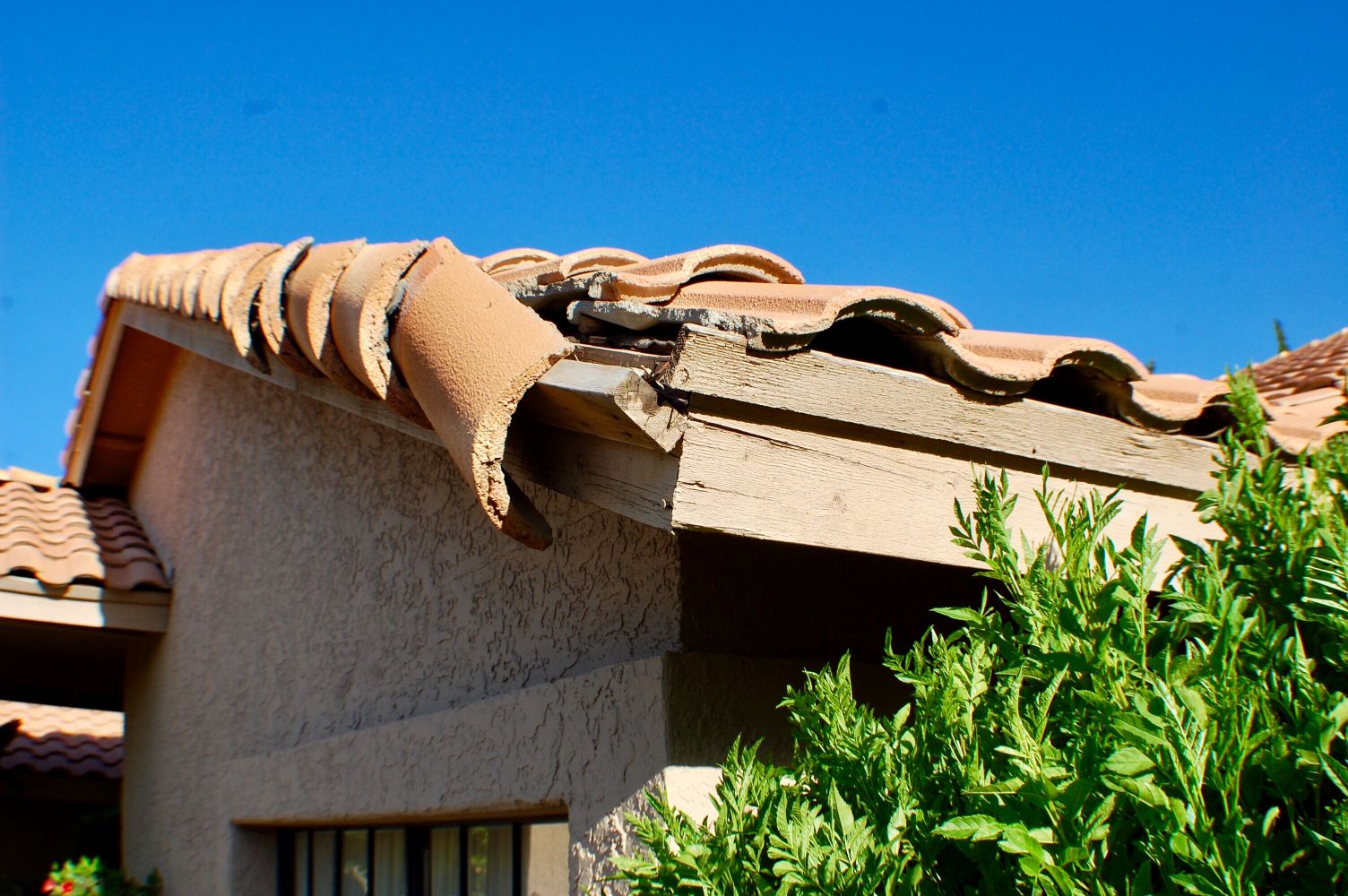
After a Texas storm, roof damage is not always loud or obvious. You may not see missing shingles from the yard, yet your roof can still have bruises, lifted edges, cracked seals, bent flashing, or soft spots that let water sneak in later. The ground gives you part of the story, not the whole story. If you know what to look for early, you can catch trouble before a small leak turns into a ceiling stain and a long weekend.
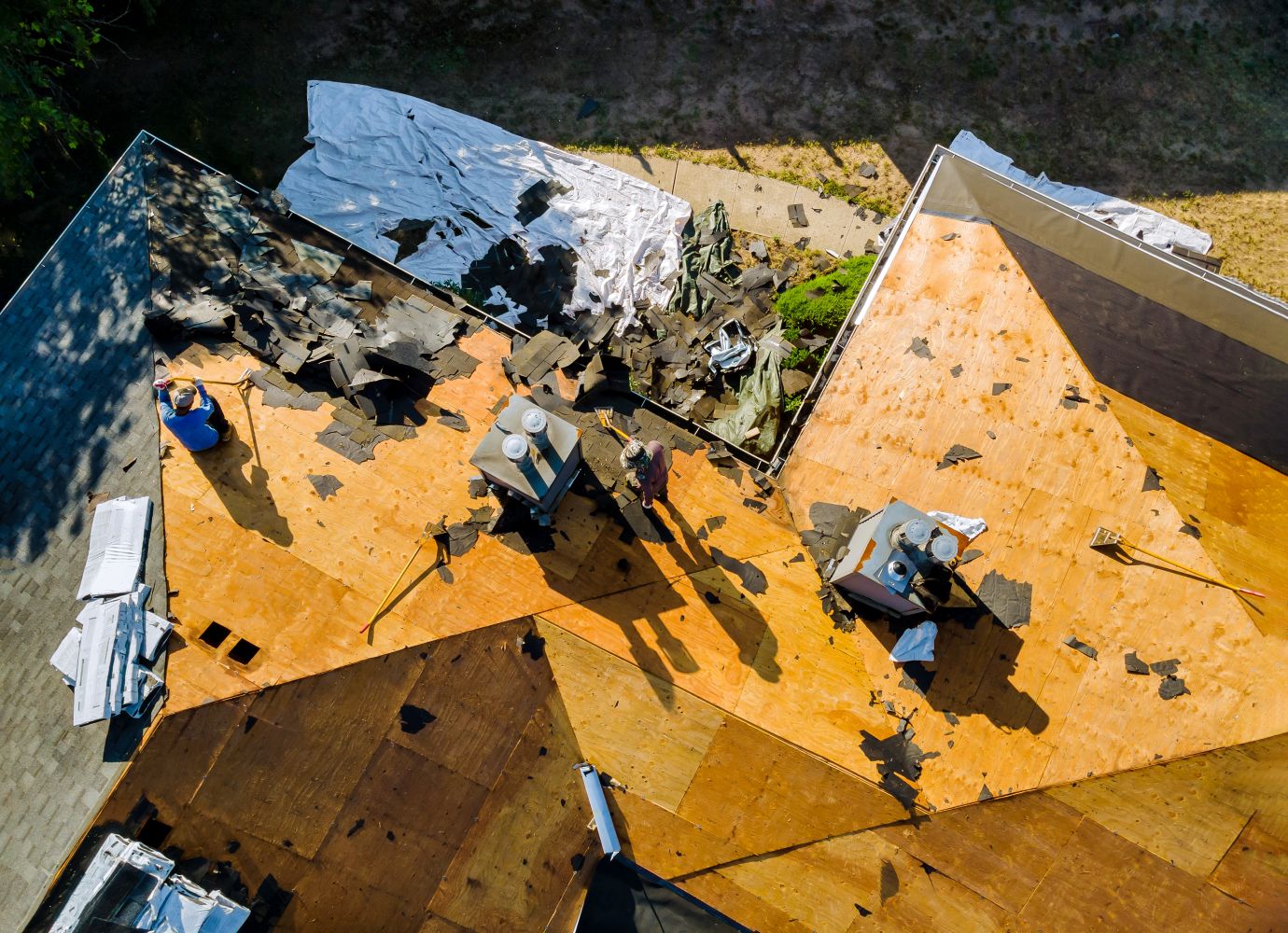
Why storm damage hides so well
A roof takes the first punch when wind, hail, and hard rain roll through. In Texas, that punch can be quick and rough. Your shingles may still look fine from the driveway, but the force of hail can knock off granules, crack the mat under the shingle, or weaken the seal strip. Wind can loosen edges without tearing anything off. Rain can slip into tiny gaps that are too small to spot from below.
Think of it like a boxer with no black eye yet, but a sore jaw all the same. The outside may look normal, while the real trouble starts under the surface.
This is why hidden roof damage matters. It often waits. Then the next hot week, cold snap, or storm opens the weak spot wider.
The most common roof damage you can miss from the ground
Granule loss on shingles
Granules are the rough grit on asphalt shingles. They help block sun and weather. Hail can knock them loose. Heavy rain then washes them away.
From the ground, you may not notice this at all. The roof still looks dark and uniform. Up close, you may see bald spots, small black marks, or patches that look smoother than nearby shingles.
Why it matters, granule loss leaves the shingle exposed to sun. In Dallas heat, that exposed area ages faster. It dries out, cracks, and fails sooner.
A clue you can spot safely from below is extra granules in gutters or near downspouts. If your gutter looks like it is full of coarse black sand after a storm, your roof may be shedding its shield. You can also Contact Us if you want help reviewing storm signs.
Bruising from hail
Hail does not always punch a hole through the roof. Many times it leaves bruises. A bruise is damage under the surface of the shingle. It can feel soft when pressed, almost like a peach with a bad spot.
You cannot confirm that from the ground, of course. But you can look for hints. Check metal vents, gutters, fence caps, window screens, and AC units. If those show hail marks, your shingles may have them too.
Bruised shingles often keep working for a while. Then heat bakes them, rain soaks them, and the weak spots break down. That is when leaks start to play hide and seek in the attic.
Lifted or unsealed shingle edges
Texas wind loves to test roof edges, ridges, and corners. A gust can lift a shingle just enough to break the adhesive strip. When the wind stops, the shingle lays back down like nothing happened. Sneaky, right?
From the yard, the roof may look normal. Yet those loose edges can flap in the next storm, let water blow underneath, or tear off later.
This kind of damage is common after straight-line wind, even when there are no shingles on the lawn.
Cracked sealant around flashing and roof penetrations
The spots around vents, chimneys, skylights, and pipe boots are trouble magnets. Storms can crack old sealant or pull metal flashing just a little out of place.
You might not see this from below unless the damage is big. But small cracks are enough for water to enter. Water is patient. It does not need a big invitation.
In hot weather, sealants dry out faster. In cold weather, they can shrink and split. Add storm rain, and that weak point can turn into a leak path.
Damaged flashing
Flashing is the thin metal that helps move water away from roof joints. Wind can bend it. Hail can dent it. Branches can knock it loose.
Bent flashing may still look attached from the ground. Yet if the angle changes or the edge lifts, water can slip behind it.
This often happens near chimneys, walls, valleys, and vent stacks. A small bend today can mean a stained ceiling next month.
Soft spots and hidden deck damage
If water gets under shingles, the wood deck below can swell or soften. This is not something most homeowners can spot from the yard. Still, there are clues.
Inside the house, look for a musty smell in the attic, damp insulation, tiny brown spots on the ceiling, or peeling paint near the top of walls. Outside, a roofline that looks slightly uneven may point to trouble below the shingles.
That kind of issue needs quick attention. Wet wood does not improve by being ignored. It only gets moodier.
Damage in roof valleys
Valleys carry a lot of water. They are where two roof slopes meet. If shingles lift, flashing shifts, or debris blocks flow, water can back up in these areas fast.
Valley damage is easy to miss from the ground unless the roof pitch gives you a direct view. Even then, small failures blend in.
After heavy rain, valleys deserve extra attention because they handle some of the highest water flow on the roof.
What we usually see in Dallas, TX
In Dallas, storm damage often shows up as granule loss, lifted tabs, and flashing trouble long before a homeowner sees a leak. Homes near White Rock Lake and older neighborhoods with mature trees may also have branch impact or clogged valleys after a storm. Along roads with open exposure, like stretches near I-635, strong wind can catch roof edges hard, even when the rest of the block looks fine.
Weather in Texas makes hidden damage worse
Storms start the problem. Weather keeps it going.
Heat cooks exposed shingles and weak seal strips. Cold nights can make brittle materials crack more. Rain keeps testing every loose joint. Humidity slows drying in shaded roof areas and attics, which can help mold grow if moisture gets trapped.
That is why a small issue after a storm can become a bigger repair if it sits too long. A roof in Texas does not get much time off. For general weather details, see NOAA National Weather Service.
Safe ways to check for trouble without climbing up
You do not need to turn into a cowboy on a ladder after every storm. Most homeowners can do a smart first check from the ground and inside the house.
Start outside with binoculars if you have them. Walk around the house and look at roof edges, ridges, valleys, vents, and gutters. Watch for shingles that look bent, lifted, shiny, out of line, or bare in spots.
Then check these areas:
- Gutters and downspouts for granules
- Metal vents, gutters, mailbox tops, and AC fins for hail marks
- Siding and window screens for storm impact
- The attic for wet insulation, dark stains, or a damp smell
- Ceilings and upper walls for new spots or bubbling paint
Safety note, stay off the roof after a storm. Wet shingles are slick, and hidden weak spots can make footing unsafe. If you need help, Contact Us.
If you notice this, do this
- If you see granules in gutters, then inspect ceilings and attic for moisture signs
- If metal items show hail dents, then have the shingles checked for bruising
- If shingles look bent or lifted at the edges, then get those seal strips and tabs checked soon
- If you find a ceiling stain, then trace it early, water often travels before it drips
- If a tree branch hit the roof, then check flashing, valleys, and decking, not just the shingle surface
- If your roof looks fine but neighbors have visible damage, then do not assume yours is untouched, storm paths can be patchy
Common mix-ups homeowners run into
Myth, no missing shingles means no real damage.
Fact, many storm issues hide in bruises, lifted seals, and flashing gaps.
Myth, if there is no leak right away, the roof is fine.
Fact, leaks often show up later after heat, more rain, or colder weather opens the weak spot.
Myth, hail damage is always easy to see.
Fact, small hail bruises and granule loss can be tough to spot from the yard.
Myth, gutters full of grit are normal after any rain.
Fact, a little wear happens over time, but a fresh pile after a storm can point to shingle damage.
A simple care schedule that helps you catch damage early
A roof does not need daily babying. It does need a routine.
| Time frame | What to do |
|---|---|
| Weekly | Look at ceilings for new stains after heavy rain. Glance at the yard for shingle pieces or branch impact. |
| Monthly | Walk the outside of the house. Check gutters, downspouts, roof edges, and metal items for storm clues. |
| Yearly | Have the roof checked after storm season, or sooner if hail or high wind hit your area. Clean gutters and trim limbs away from the roof. |
This simple plan helps you spot small issues before they grow legs and wander into the attic.
Why early photos and notes matter
When storm damage is hidden, memory is not your best friend. Photos are.
Take clear pictures of the date, the yard, gutters, dented metal, ceiling spots, and any debris. Jot down what happened, hail size if known, wind, and where you noticed signs first.
Keep it simple. Your phone and a notes app are enough.
Good notes help you compare changes later. They also help a roofing pro pinpoint where to look first. Facts beat guesswork every time.
Areas homeowners often forget to inspect
People tend to stare at the main roof slope and miss the smaller spots that fail first.
Keep an eye on:
- Garage roofs
- Porch roofs
- Dormers
- Skylight edges
- Chimney flashing
- Pipe boots
- Valleys behind second-story walls
- Detached structures like sheds or workshops
These areas often take odd wind angles or hold water longer. You can review more about roof drainage paths at Wikipedia.
When hidden roof damage starts showing inside
A roof problem does not always announce itself with a dramatic drip into a bucket. Many times the first signs are subtle.
You may notice:
- A faint yellow or brown ceiling mark
- Paint bubbling near crown molding
- A musty attic smell
- Insulation that looks matted down
- Trim that swells near the top of a wall
- A room that feels more humid than usual
By the time these signs show up, water may have been sneaking in for a while. It is better to catch the roof issue before your drywall starts waving a white flag.
FAQs
Can a roof have storm damage even if no shingles are missing?
Yes. Hidden roof damage can include bruised shingles, granule loss, loose seal strips, bent flashing, and cracked vent boots.
How soon should I check my roof after a Texas storm?
Check from the ground and inside the attic as soon as it is safe and dry enough to walk around your property. Do not climb on the roof yourself after a storm.
What is the easiest storm damage to miss from the ground?
Lifted shingle edges, hail bruising, small flashing gaps, and granule loss are often missed first.
Do gutters tell me anything about roof damage?
Yes. Fresh granules in gutters or at downspouts can point to shingle wear or hail impact.
Can heat in Dallas make storm damage worse?
Yes. Strong sun can age exposed shingles fast, weaken damaged spots, and turn a small problem into a leak sooner.
Should I check the attic if the roof looks normal outside?
Yes. The attic often shows moisture signs before the living room ceiling does.
Are older roofs more likely to have hidden storm damage?
Yes. Older shingles and sealants are more likely to crack, lift, or fail after wind, hail, and hard rain.
Is it safe to tarp or patch a roof myself?
Only if you can do it safely from a secure spot and the area is easy to reach. Many storm-damaged roofs are slick or unstable, so professional help is often the safer move.
If a storm may have left hidden roof damage on your home, Expert Home Remodelers can inspect the trouble spots, document what they find, and help you move forward with clear facts. Homeowners in Dallas, TX can call (682) 458-3062 or visit https://experthomeremodelers.com/ to get help that protects the roof, the attic, and the rest of the home. You can also Contact Us.